
What you need to know
- The US and Iran refrained from striking each other for a second consecutive day on Sunday, 26 July.
- Neither government has described the halt as a formal ceasefire.
- Iran and Oman held two days of talks in Tehran on managing safe passage through the Strait of Hormuz.
- Commercial traffic through the strait fell to a three-week low, and the US naval blockade of Iranian ports continues.
- A memorandum of understanding signed in June set a 60-day window to negotiate final terms.
The United States and Iran refrained from attacking each other for a second consecutive day on Sunday, as mediators pushed to revive an interim ceasefire that recent exchanges of fire had largely unravelled. Iran said separate talks with Oman over shipping through the Strait of Hormuz had made progress, though it stressed that the waterway’s status was unchanged.
What happened over the weekend?
The pause followed a roughly two-week escalation in which US forces struck Iranian coastal areas and infrastructure. That round of fighting was triggered by Iranian fire directed at vessels attempting to transit the Strait of Hormuz.
American officials did not publicly explain the halt. The Pentagon did not respond to questions about it. Mike Waltz, the US ambassador to the United Nations, characterised the decision as the administration allowing negotiations room to develop.
The White House framed its position in similar terms. Communications director Steven Cheung said President Donald Trump had consistently preferred a diplomatic outcome while keeping other options available.
Iran’s account matched the American one on the central fact: strikes had stopped on both sides. Neither government described the pause as a formal ceasefire.
Why does the Strait of Hormuz matter?
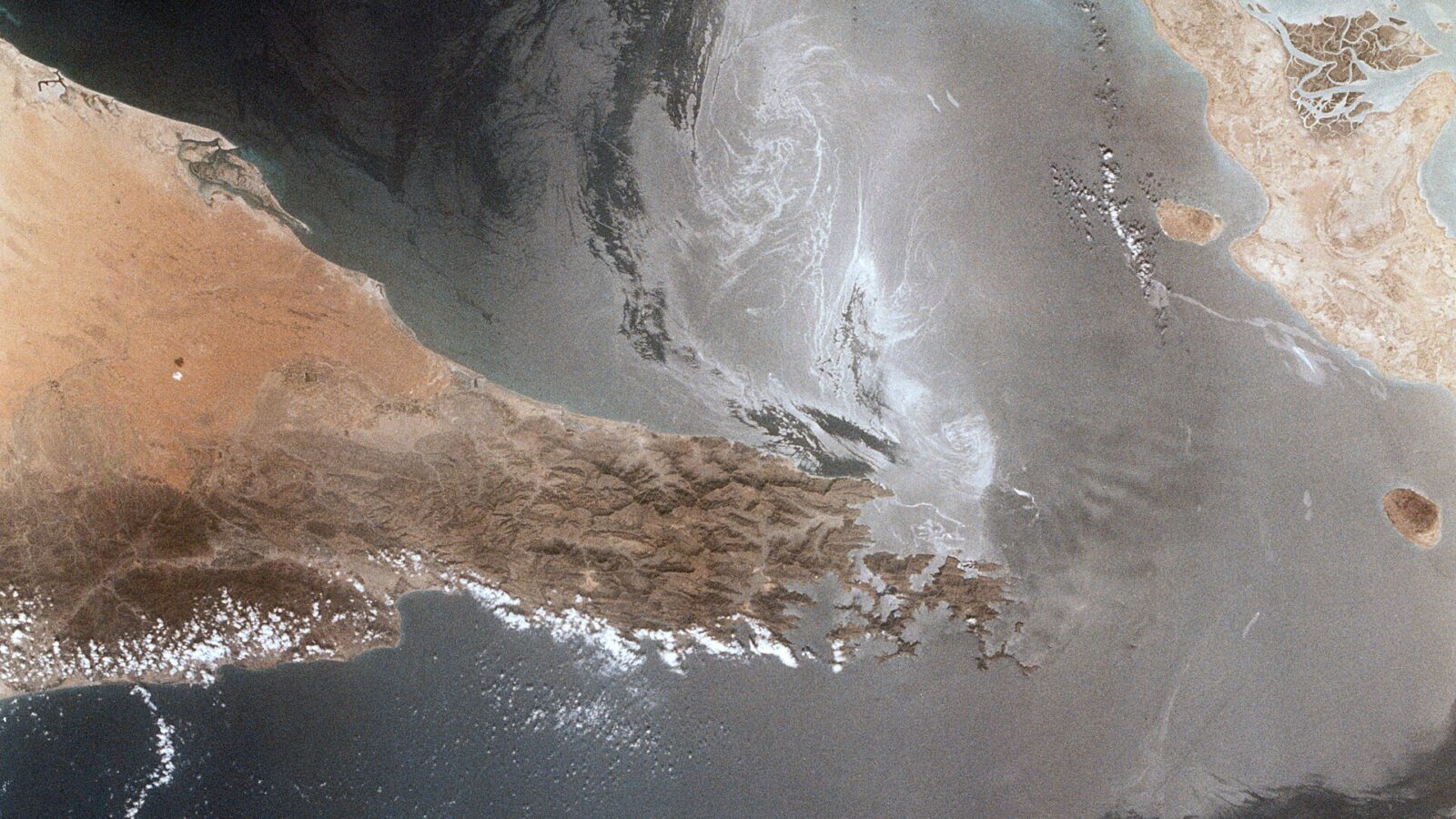
The strait is one of the world’s most important energy corridors. Before the war, roughly a fifth of global oil supplies moved through the narrow channel, which was treated as an international waterway.
That status is now contested. Iran maintains that a memorandum of understanding signed with Washington in June gives it authority to manage transit through the strait, and it has objected to US efforts to route traffic closer to the Omani coast instead.
The practical effects are measurable. A maritime body overseen by the US Navy reported that commercial traffic through the strait had fallen to a three-week low, with no new attacks confirmed in the preceding 72 hours. Traffic through the Bab el-Mandeb strait remained steady.
The US naval blockade of Iranian ports has continued through the pause. The American military said a dozen commercial ships had been redirected, two disabled and two boarded.
What is Oman’s role in the talks?
Deputy foreign ministers from Iran and Oman met in Tehran over two days to discuss managing safe passage through the strait, which lies between the two countries.
Iranian Foreign Ministry spokesperson Esmail Baghaei said the two sides had exchanged views on shared principles and operational mechanisms while respecting the sovereign rights of both coastal states. He described the discussions as constructive and said technical and political consultations were continuing.
According to one official who spoke anonymously because they were not authorised to discuss the negotiations, both governments want to return to the interim deal. The compromise under discussion would reportedly leave Iran managing vessel transit but with fewer restrictions imposed on shipping.
What are the risks to the pause?
Incidents in the waterway have continued even without formal strikes, sustaining the possibility of renewed escalation. The June memorandum established a 60-day window for final terms to be negotiated.
Concerns have also spread to the Bab al-Mandeb strait leading to the Red Sea, where Iranian-backed Houthi forces in Yemen threatened a blockade of Saudi shipping last week.
Global energy markets remain exposed to the outcome. Petrol prices have risen again as the disruption to regional shipping continues, leaving both the negotiations and the wider economy finely balanced.
Related coverage
Sources for this report

The Redline News Desk
The Redline News desk files and edits world reporting. Every story carries the sources it was built from, and corrections are published on the story itself.
Leave a Reply