
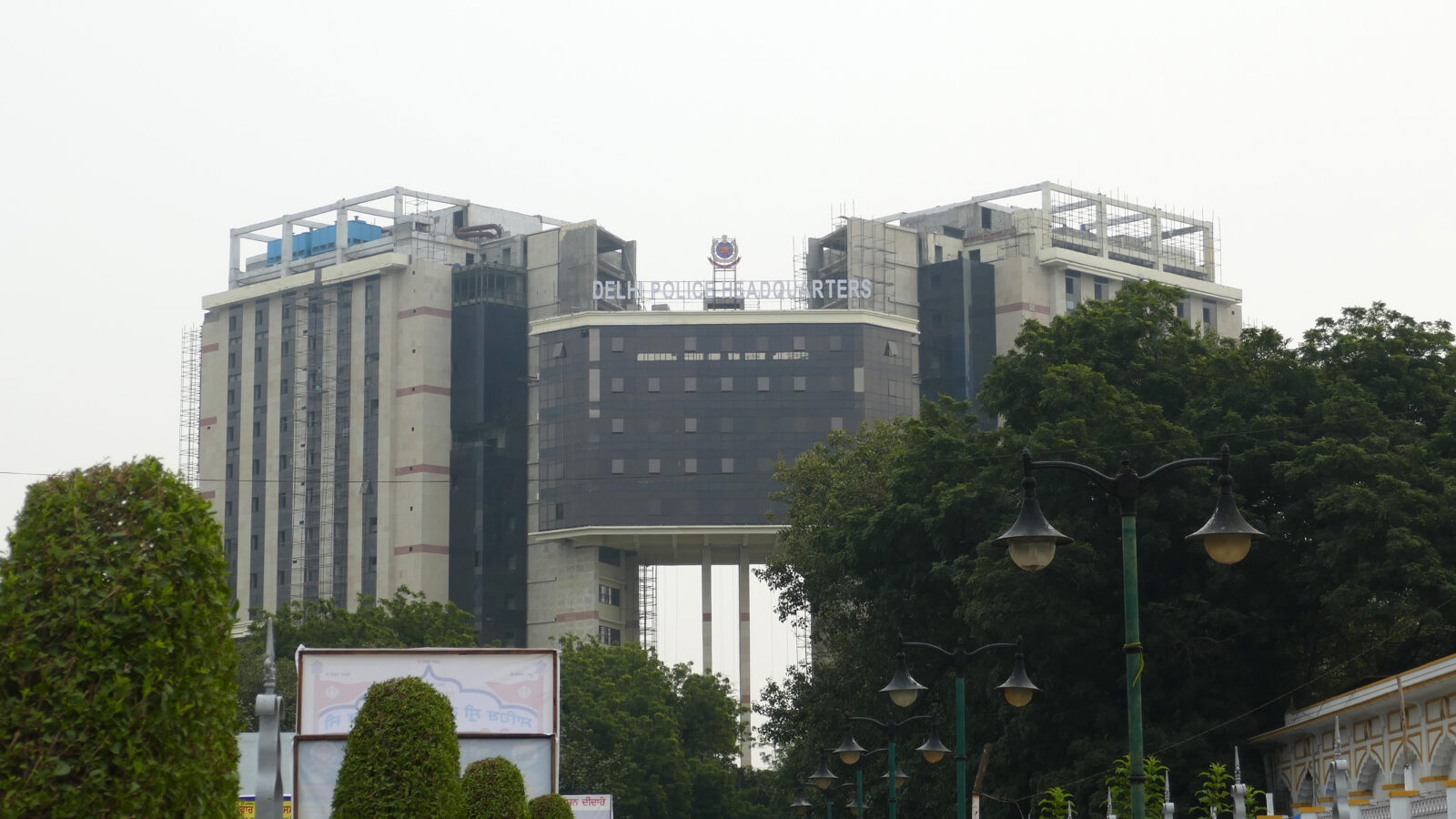
Delhi Police have disclosed the arrest of a serving Indian Air Force Wing Commander accused of passing classified defence information to a Pakistani intelligence operative after being contacted by a woman on social media.
The 44-year-old officer, who has not been named, was arrested in late May and charged under the Official Secrets Act. A chargesheet was filed in court on 30 July, and details were released publicly on Saturday.
What is alleged?
He is alleged to have passed details of the movement and deployment of military units, along with photographs, videos and documents, through digital platforms. Investigators are separately examining an allegation that he installed data-extraction software on a colleague’s mobile phone.
None of the allegations has been tested in court. The officer is in judicial custody.
| Detail | Information |
|---|---|
| Rank | Wing Commander, serving |
| Arrested | Late May 2026 |
| Chargesheet filed | 30 July 2026 |
| Law | Official Secrets Act |
| Status | Judicial custody |
What is the IAF honeytrap case?
Delhi Police announced on 8 August 2026 that a serving Indian Air Force Wing Commander, aged 44 and not publicly named, had been arrested in late May 2026 and charged under India’s Official Secrets Act. He is accused of sharing classified defence information with a Pakistani intelligence operative after being approached on social media by a woman investigators believe was working for handlers based in Pakistan. Police allege he passed details of military unit movements and deployments together with photographs, videos and documents, and are separately examining a claim that he installed data-extraction software on a colleague’s phone. The case came to light through electronic surveillance by the Indian Air Force’s intelligence wing, which passed evidence to the Delhi Police Special Cell. A chargesheet was filed on 30 July 2026 and the officer remains in judicial custody. The allegations have not been tested in court.
How did it come to light?
The Air Force’s intelligence wing identified the activity through electronic surveillance and passed evidence to the Delhi Police Special Cell, which made the arrest.
The Air Force said in a statement that the officer had been under active surveillance and was handed to law enforcement, adding that it has zero tolerance for such activity.
Police sources have said the woman may be part of a larger network collecting intelligence on Indian defence systems, and that the investigation into that network continues.
Is this a pattern?
Indian agencies have brought a series of cases in recent years involving military and defence personnel approached through social media accounts using female identities, including arrests of an Air Force sergeant, a Border Security Force constable and a defence research scientist.
The method is consistent across the cases: contact initiated on a social platform, a relationship built over messages and calls, and requests for documents once trust is established. Prosecutions have proceeded under the Official Secrets Act, which dates from 1923.
Related coverage
Sources for this report

The Redline News Desk
The Redline News desk files and edits world reporting. Every story carries the sources it was built from, and corrections are published on the story itself.
Leave a Reply