
What you need to know
- Trump hosted Netanyahu at the White House on 28 July, their first in-person talks since the Iran war began.
- The 90-minute meeting produced no public statement of substance from either side.
- A day later Trump said it was America's turn to hit Iran hard after Iranian strikes on US bases.
- CENTCOM said it intercepted multiple Iranian ballistic missiles in an attempted surprise attack.
- Iran has proposed a temporary arrangement with Oman to reopen the Strait of Hormuz through Iranian waters.
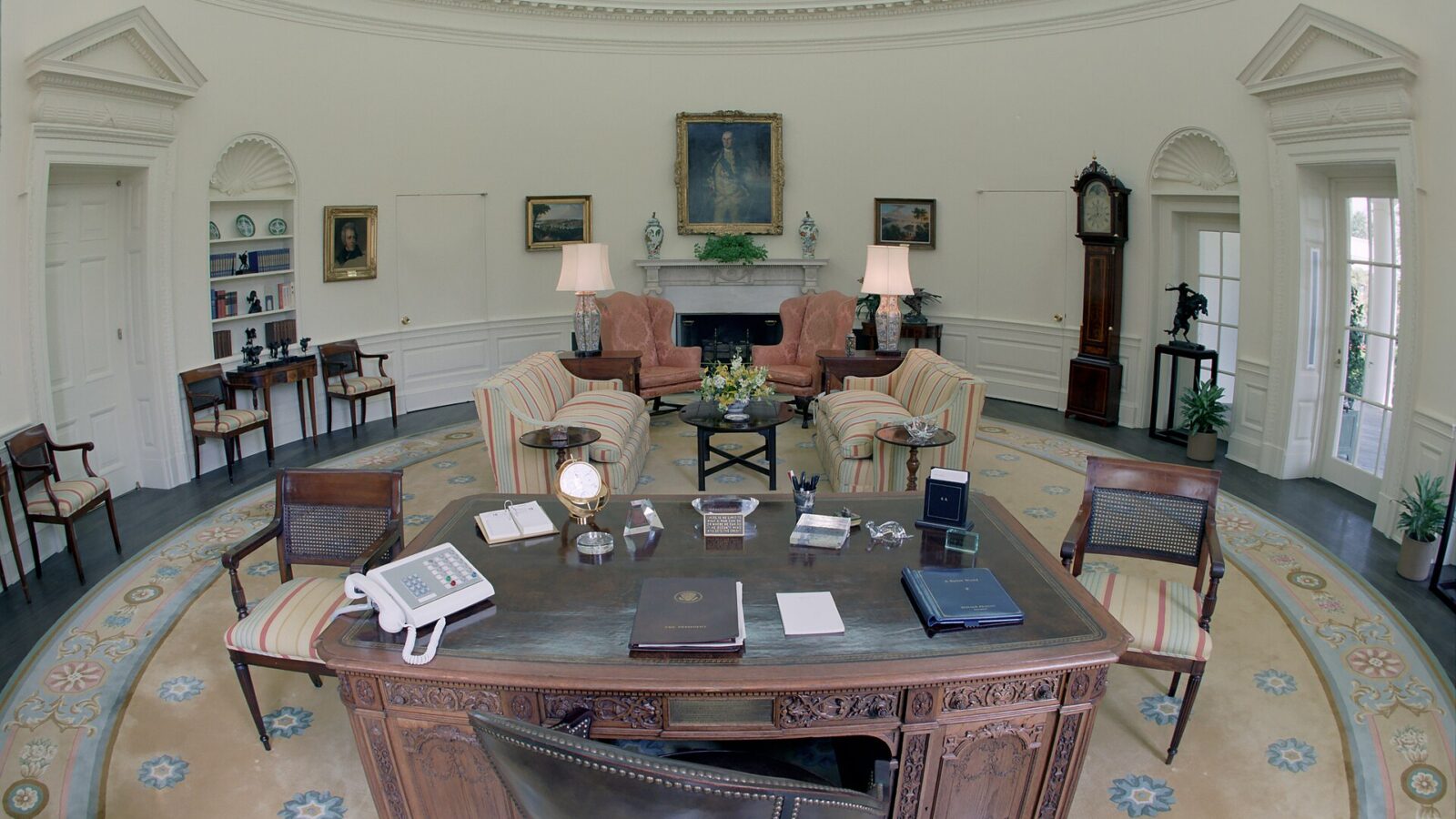
President Donald Trump hosted Benjamin Netanyahu at the White House on Tuesday for their first in-person talks since the war with Iran began, as Washington sought to convert a pause in strikes into something more durable. Within a day Trump had hardened his language again, saying it was America’s turn to hit Iran hard after Iranian strikes on US bases.
What came out of the meeting?
Officially, very little. The 90-minute session in the Oval Office, which Vice-President JD Vance also attended, produced no public statement of substance from either side.
Israeli officials described the atmosphere as relaxed and said Netanyahu did not present intelligence intended to draw the United States into any particular strike, contrary to expectations before the visit.
Trump told Fox News afterwards that Washington held a strong position. He repeated a threat to bomb Iran’s major bridges if no agreement could be reached, while adding that he would prefer to avoid it.
It was the eighth meeting between the two leaders since Trump returned to office in early 2025, and it came ahead of Israeli elections on 27 October and US midterms later this year.
Is the pause holding?
Only partly. US Central Command said it intercepted multiple Iranian ballistic missiles on Tuesday in what it described as an attempted surprise attack.
An Iranian drone strike was reported to have hit a gas tanker at Egypt’s Damietta port on Wednesday, and an airstrike struck a Popular Mobilisation Forces base in Mosul, northern Iraq, the same day.
The naval blockade continues. CENTCOM said more than 20 US warships were operating across the region and that it had redirected 18 commercial vessels, disabled two and boarded two as of 28 July.
Israel’s chief of staff, Lieutenant General Eyal Zamir, told troops that forces would push deeper into Lebanon if required.
What is happening over the Strait of Hormuz?
Iran has put forward a temporary arrangement with Oman to reopen the waterway. Deputy Foreign Minister Kazem Gharibabadi said traffic in both directions would pass at least partly through Iranian waters.
Tehran rejected an Omani proposal to divide shipping routes evenly between the two countries, arguing it did not address Iranian security concerns. Gharibabadi warned the strait would remain closed if Oman declines Iran’s plan.
Roughly a fifth of global oil supply moved through the channel before the war, and the dispute over its legal status remains the central unresolved question of the conflict.
Where does this leave the war?
Unsettled. The war began with strikes on Tehran on 28 February, and the current halt in tit-for-tat attacks is the longest since fighting resumed.
Trump’s shift within 24 hours, from laying ground for diplomacy to warning of heavy retaliation, illustrates how narrow the path is. Some of his own supporters read the Netanyahu meeting as a prelude to escalation rather than a step away from it.
Netanyahu, who used the visit to reiterate a longer-term ambition to reduce Israel’s dependence on American aid, faces an electorate in three months. Both leaders have domestic reasons to want the fighting resolved, and neither has yet described a settlement either could accept.
Related coverage
Sources for this report

The Redline News Desk
The Redline News desk files and edits world reporting. Every story carries the sources it was built from, and corrections are published on the story itself.
Leave a Reply