
Spain and Morocco have given sharply different accounts of how many people died during last week’s mass crossing into Ceuta, as European Union interior ministers prepared to meet by emergency videoconference on Tuesday.
Spanish authorities say 88 bodies have been recovered. Morocco’s Interior Ministry has confirmed 11 deaths and says it is coordinating with Spanish officials to establish a total.
How many people crossed?
The estimates also diverge. Moroccan authorities put the number who attempted the crossing at around 40,000 and rejected higher figures reported elsewhere, adding that more than 1,000 others reached Melilla, Spain’s other North African enclave.
Spain’s Interior Ministry has used a figure of about 50,000. Juan Jesus Vivas, Ceuta’s top official, put it at roughly 60,000, equivalent to about 70 per cent of the enclave’s population of 84,000.
| Figure | Spanish account | Moroccan account |
|---|---|---|
| Deaths | 88 bodies recovered | 11 confirmed |
| People crossing | 50,000 to 60,000 | About 40,000 |
What will ministers discuss?
Ireland, which holds the rotating presidency of the Council of the European Union, convened the Justice and Home Affairs Council. It will be chaired by Jim O’Callaghan, Ireland’s justice and migration minister.
The meeting follows a joint letter from 22 of the 27 member states calling for coordinated action and stronger external borders. The Czech Republic subsequently joined the group.
Why do Spain and Morocco disagree on the Ceuta toll?
Spanish and Moroccan authorities have reported substantially different casualty figures from the mass crossing into Ceuta that began on 30 July 2026. Spain states that 88 bodies have been recovered, revising an earlier figure of at least 67. Morocco’s Interior Ministry has confirmed 11 deaths and says it remains in coordination with Spanish officials to verify the total. The two governments also differ on the scale of the crossing, with Moroccan authorities estimating around 40,000 participants and Spanish officials citing between 50,000 and 60,000. The discrepancy reflects that deaths occurred on both sides of the maritime border and in the water between them, with each administration counting recoveries within its own jurisdiction. European Union interior ministers convened an emergency videoconference on 4 August 2026 to address the crisis.
What has divided member states?
Italy has introduced temporary random checks at ports and airports for passengers from outside the bloc arriving from Spain, after joining Finland in calling for Spain’s suspension from the Schengen area.
Prime Minister Pedro Sanchez described that proposal as selfish and illegitimate. He has argued that Ceuta lies outside the Schengen area and that Spain’s border is among the least porous in the bloc. The joint letter had criticised a Spanish Supreme Court ruling on border returns and a regularisation scheme, arguing both acted as pull factors.
European Commission President Ursula von der Leyen has said no one who crossed reached mainland Spain or any other member state, and that the Commission offered Spain immediate support.
Why the counts differ
Deaths occurred on both sides of the maritime border and in the water between them. Each administration counts recoveries within its own jurisdiction, and bodies recovered at sea may be attributed by whichever service reaches them first.
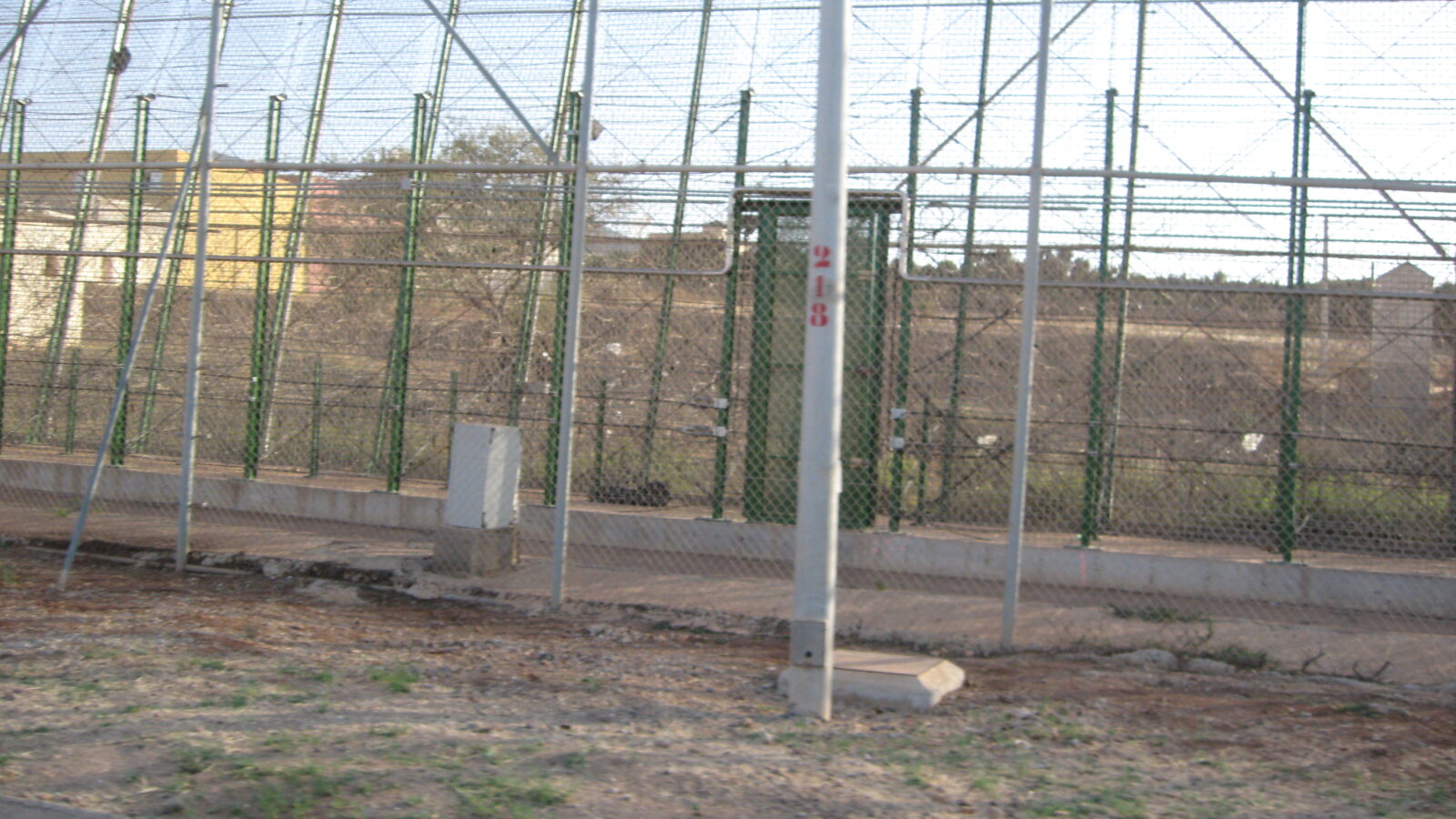
Spanish emergency services continued searching the water for several days after the crossings. Many people swam the route using wetsuits and inflatables, or moved around the border fence where it enters the sea at the Tarajal breakwater.
Related coverage
Sources for this report

The Redline News Desk
The Redline News desk files and edits world reporting. Every story carries the sources it was built from, and corrections are published on the story itself.
Leave a Reply