
What you need to know
- More than 300,000 Malians have fled into Mauritania's Hodh Chargui region over the past decade, per UNHCR.
- Refugees describe fleeing both the jihadist insurgency and operations by the Malian army and Russia's Africa Corps.
- Local officials in Mauritania's Guidimakha region report at least a dozen disappearances since January.
- Seven Malian civilians were killed near Ahl El Kory on 6 March, according to a survivor account.
- Malian and Africa Corps forces have withdrawn from Kidal, Aguelhok, Tessalit, Tessit and Ber this year.
Malians are continuing to cross into neighbouring Mauritania to escape a jihadist insurgency and accusations of abuses by their own army, with more than 300,000 now sheltering in the country’s remote Hodh Chargui region. Violence has begun spilling across the border, drawing in Mauritanian herders who cross seasonally for pasture.
How large is the displacement?
The United Nations refugee agency estimates that more than 300,000 Malians have fled into Hodh Chargui over the past decade. At least 7,500 crossed on foot in a matter of months from late October alone.
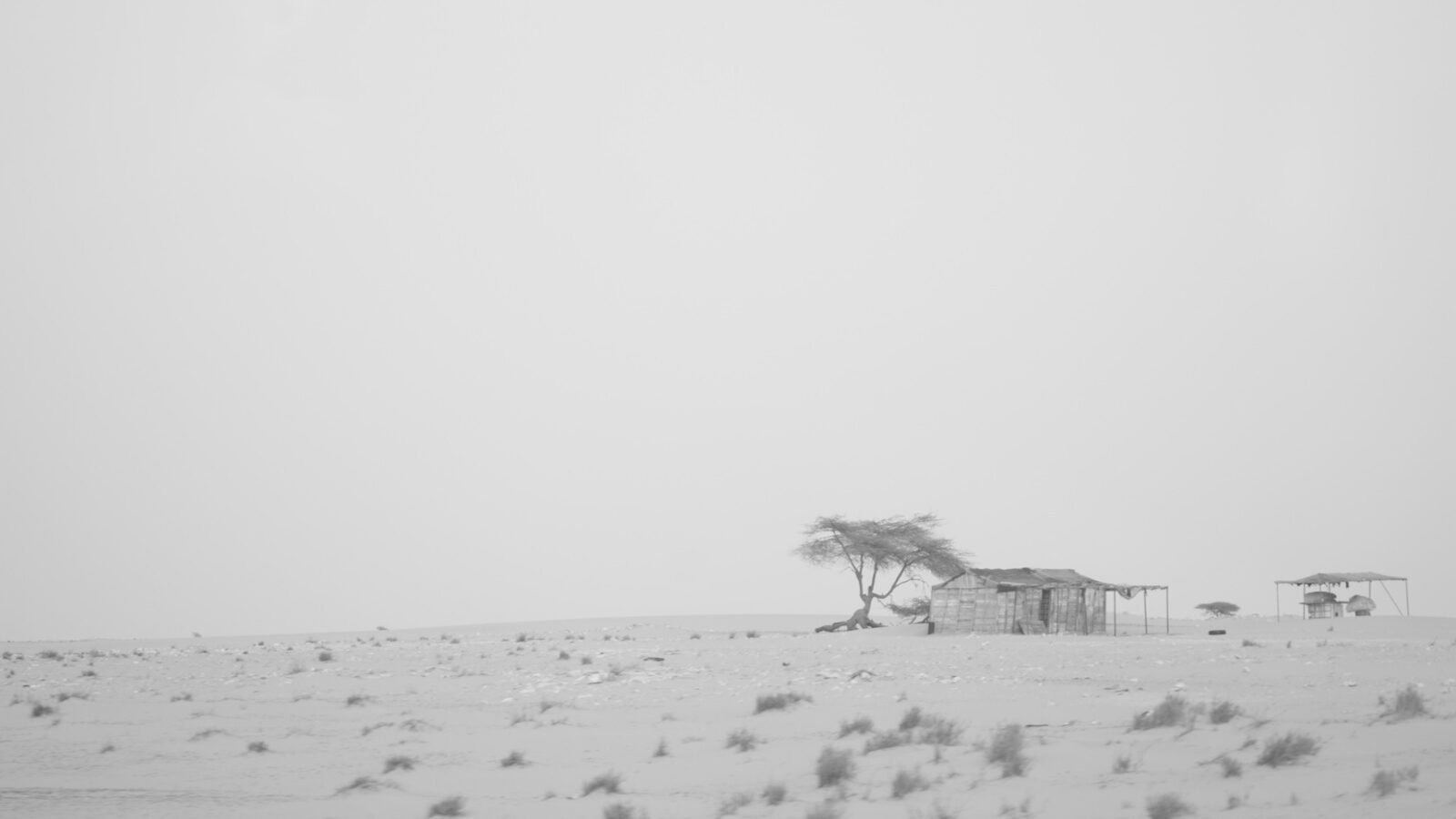
They are concentrated in camps and settlements including Mbera, Douankara, Fassala and Makhal Oulad Zeid, close to a border that runs through open sand and is marked more clearly on maps than on the ground.
Refugees interviewed by the Associated Press and Agence France-Presse have described fleeing both the insurgency and operations by the Malian army and the Kremlin-backed Africa Corps, the successor to the Wagner Group. Most spoke on condition their names were changed.
Who is being targeted?
Members of the Fulani community feature heavily in these accounts. The group has been treated by Africa Corps and its predecessor as presumed insurgent sympathisers, a characterisation rights researchers reject.
On 6 March, seven Malian civilians travelling from Fassala in Mauritania toward a weekly market in Mali were stopped near Ahl El Kory and killed by Malian soldiers and Africa Corps personnel, according to a survivor who spoke to Radio France Internationale. Other passengers were beaten, questioned and released.
Days later, the al-Qaeda-aligned group JNIM ambushed a patrol near Nampala, killing about 11 people including three Africa Corps fighters. Sahel researcher Heni Nsaibia assessed the ambush as a response to abuses against civilians in the area.
Why are Mauritanians affected?
Mauritanian herders cross into Mali each year in search of grazing. Local officials in the Guidimakha region report at least a dozen disappearances since the migration season began in January, and Malian forces alongside Africa Corps stand accused of killing scores of herders over the same period.
The herders keep going because they have little choice. Livestock accounts for roughly a tenth of Mauritania’s economy.
Analysts note an inversion of what might be expected. Herders can often pass through territory held by armed groups, negotiating payment in kind for access to pasture, while encountering violence in areas nominally under the control of the government in Bamako.
After two Mauritanian herders were killed in Mali’s Kayes region in March, Mauritania’s interior ministry advised citizens against travelling across the border, and the foreign ministry issued a formal condemnation.
What is happening inside Mali?
The state is losing ground. Offensives this year by JNIM and Tuareg separatist forces reached Bamako and Kati, killing Defence Minister Sadio Camara and wounding the intelligence chief.
Malian troops and Africa Corps units subsequently withdrew from Kidal, Aguelhok and Tessalit in the north, along with Tessit and Ber.
The Malian authorities have not responded publicly to the specific allegations described by refugees and local officials, which come from survivor testimony, community leaders and independent researchers rather than from any court or formal inquiry.
Related coverage
Sources for this report

The Redline News Desk
The Redline News desk files and edits world reporting. Every story carries the sources it was built from, and corrections are published on the story itself.
Leave a Reply