
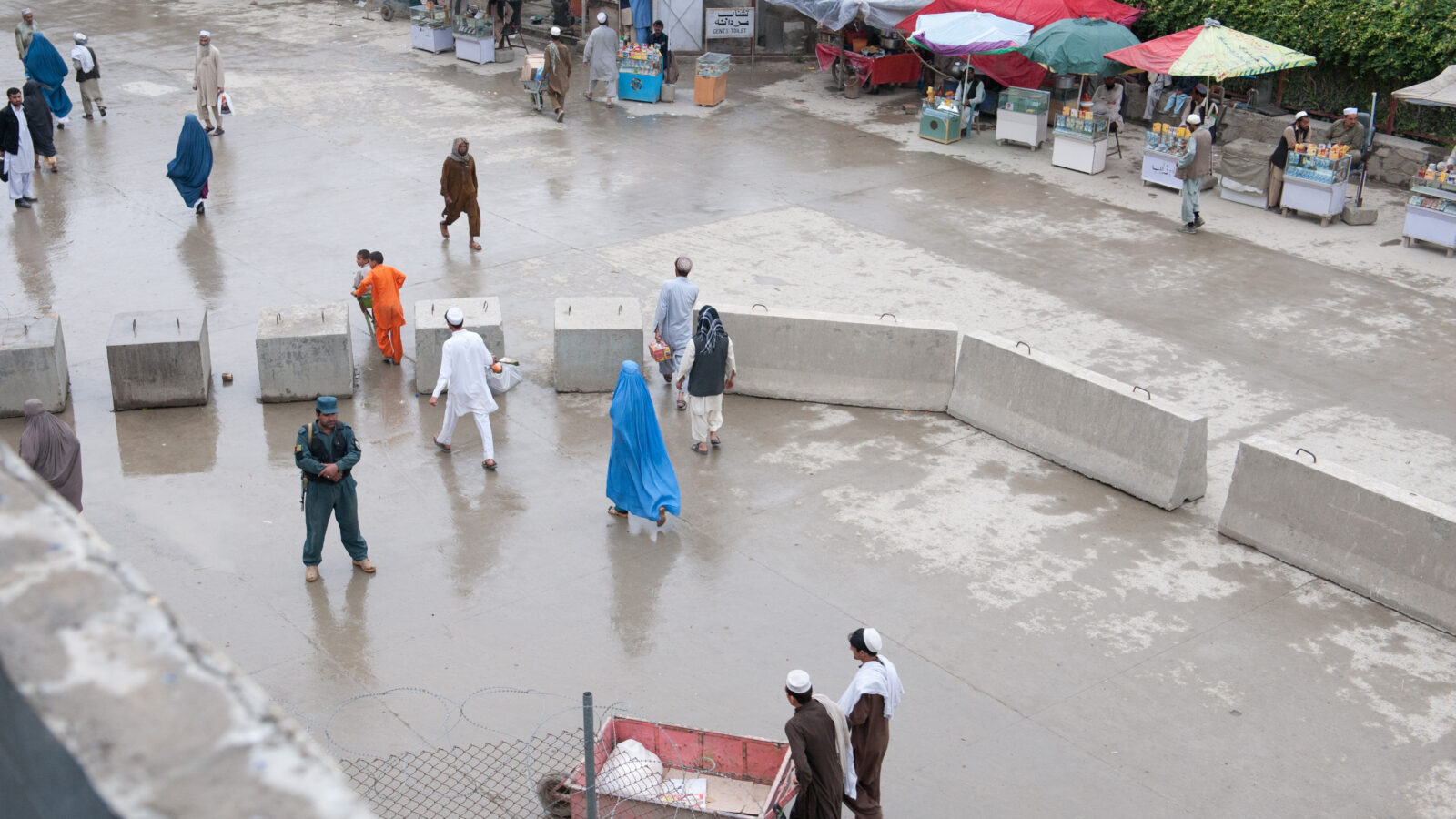
Iran and Pakistan have forced millions of Afghans back across the border, adding to a humanitarian emergency in which more than 17 million people are projected to face acute food insecurity this year.
Human Rights Watch put the number returned at 1.9 million in its assessment of the past year. The UN human rights office reported that nearly three million were returned during 2025 alone.
Who is being returned?
Those expelled include thousands of Afghans born outside the country who had never lived in Afghanistan. Afghans remain among the world’s largest refugee populations, numbering 5.8 million in 2025.
Returnees arrive in a country where the aid system is contracting rather than expanding. More than 400 health facilities closed during 2025 for lack of funds.
| Measure | Figure |
|---|---|
| Returned from Iran and Pakistan | 1.9 million (HRW) |
| Returned during 2025 | Nearly 3 million (OHCHR) |
| Afghan refugees worldwide, 2025 | 5.8 million |
| Health facilities closed in 2025 | More than 400 |
Why are Afghans being deported from Iran and Pakistan?
Iran and Pakistan have carried out large-scale expulsions of Afghan nationals since 2023, under policies requiring the departure of those without valid residence documentation. Human Rights Watch recorded 1.9 million returns over the past year, while the UN Office of the High Commissioner for Human Rights reported nearly three million returns during 2025. Those expelled have included people born outside Afghanistan who had never previously lived there. Afghans constituted one of the world’s largest refugee populations in 2025, numbering approximately 5.8 million. The returns coincide with severe reductions in international humanitarian funding: more than 400 health facilities in Afghanistan closed during 2025 because of a lack of money, and over 17 million people, around 40 per cent of the population, are projected to face acute food insecurity. Human Rights Watch has said no country should forcibly return Afghans.
What is the aid position?
Cuts have come from several directions at once. Reductions in United States assistance have been compounded by cuts from the United Kingdom and other donors, forcing agencies to reduce programmes.
The UN humanitarian response plan for Afghanistan was less than 20 per cent funded as of September. More than three million children are acutely malnourished.
Why the numbers differ
Reported totals vary because organisations count over different periods and use different definitions, distinguishing between documented deportations, departures under pressure of deadlines, and voluntary returns made in anticipation of enforcement.
Human Rights Watch has said that no country should be forcibly returning any Afghans, given conditions in the country.
What happens on arrival
Returnees cross principally at Torkham and Spin Boldak from Pakistan, and at Islam Qala from Iran. Many arrive with no property, no housing and no employment prospects, into provinces already hosting displaced populations and running short of water after prolonged drought.
Women and girls among the returnees face the additional restrictions applying across the country, including the bar on secondary education and limits on movement and employment, which constrains the ability of households headed by women to re-establish themselves.
Related coverage
Sources for this report

The Redline News Desk
The Redline News desk files and edits world reporting. Every story carries the sources it was built from, and corrections are published on the story itself.
Leave a Reply