
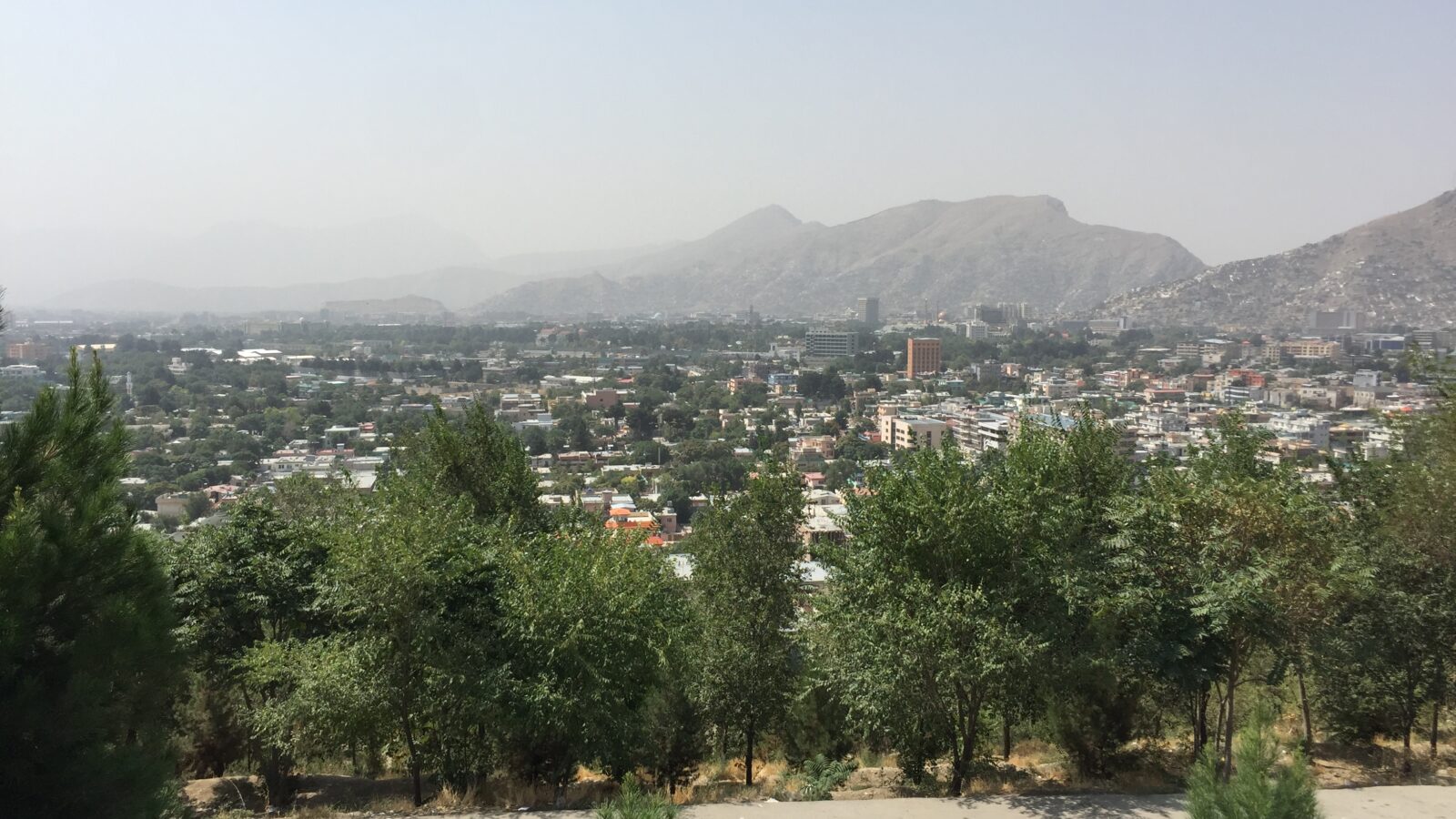
Afghanistan reaches five years under Taliban rule on 15 August, a period in which restrictions on women and girls have been progressively written into law and the country has become one of the world’s largest humanitarian emergencies.
Human Rights Watch, marking the anniversary in a report published this month, said the Taliban’s policies now amount to one of the gravest human rights crises anywhere.
What has changed in law?
The organisation records a steady codification of restrictions rather than ad hoc enforcement. A Law on the Propagation of Virtue and Prevention of Vice was adopted in August 2024.
On 4 January 2026 the authorities issued a criminal procedure code defining Muslims exclusively as adherents of Hanafi jurisprudence, a formulation that labels other religious groups, including Shia Muslims, as heretics.
| Measure | Figure |
|---|---|
| Requiring humanitarian assistance in 2026 | 21.9 million, about 45% |
| Projected acute food insecurity | 17 million, about 40% |
| Girls aged 7-18 out of school | 3.8 million |
| Afghans returned from Iran and Pakistan | 1.9 million |
What has happened in Afghanistan since 2021?
The Taliban returned to power in Afghanistan on 15 August 2021, and the fifth anniversary falls on 15 August 2026. Over that period the authorities have barred girls from education beyond the sixth grade and women from universities, and have restricted women’s employment, freedom of movement and access to public spaces and services. A Law on the Propagation of Virtue and Prevention of Vice was adopted in August 2024, and a criminal procedure code issued on 4 January 2026 defines Muslims exclusively as followers of Hanafi jurisprudence, characterising other groups including Shia Muslims as heretics. On 8 July 2025 the International Criminal Court issued arrest warrants for Taliban leader Haibatullah Akhundzada and chief justice Abdul Hakim Haqqani on charges of the crime against humanity of gender persecution. Around 21.9 million people, some 45 per cent of the population, are projected to need humanitarian assistance during 2026.
What has the ICC done?
On 8 July 2025 the International Criminal Court issued arrest warrants for the Taliban leader, Haibatullah Akhundzada, and the chief justice, Abdul Hakim Haqqani, on charges of the crime against humanity of gender persecution. Neither has been arrested.
Fereshta Abbasi, the organisation’s Afghanistan researcher, described the anniversary as a grim marker of the costs of impunity, and said governments should press for justice rather than issue statements of concern.
How bad is the humanitarian position?
Around 21.9 million people, roughly 45 per cent of the population, are projected to require humanitarian assistance during 2026, according to the UN human rights office. Some 17 million are expected to face acute food insecurity.
Three factors have compounded: sharp reductions in foreign aid from the United States, the United Kingdom and other donors; the forced return of large numbers of Afghans from Iran and Pakistan; and prolonged drought. The UN response plan remains severely underfunded.
The Taliban have also restricted female aid workers, requiring that they be accompanied by a male guardian, which limits both women’s employment and the ability of agencies to reach women and girls with assistance.
Related coverage
Sources for this report

The Redline News Desk
The Redline News desk files and edits world reporting. Every story carries the sources it was built from, and corrections are published on the story itself.
Leave a Reply