
What you need to know
- Andy Burnham became UK prime minister on 20 July 2026, the country's seventh in a decade.
- He was nominated by 379 MPs, about 94 per cent of the Labour parliamentary party, and stood unopposed.
- First-week measures include scrapping the 5 per cent VAT on household electricity and restoring the £2 bus fare cap.
- John Healey was appointed chancellor after resigning from Starmer's cabinet over defence funding.
- The postponed UK-EU summit leaves a veterinary deal, emissions-trading link and youth mobility scheme unsigned.
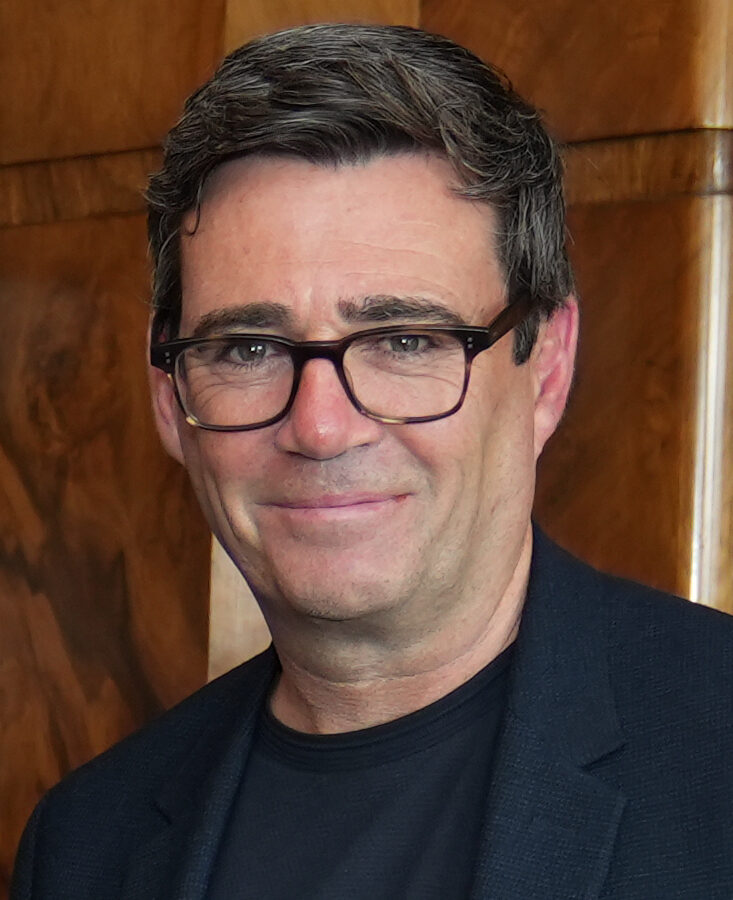
Andy Burnham completed his first week as British prime minister with a rapid series of cost-of-living measures, having taken office on 20 July as the United Kingdom’s seventh leader in a decade. He arrived at Downing Street without having been a member of parliament weeks earlier, and now heads a government facing an economy marked by stagnation and low wages.
How did Burnham reach Downing Street?
The path opened when Keir Starmer announced on 22 June that he intended to resign as Labour leader and prime minister, citing a loss of confidence among his own MPs.
Labour rules require leadership candidates to sit in the Commons, so Burnham first had to win the Makerfield by-election. He did so decisively. Nominations opened on 9 July and closed a week later with Burnham the only eligible candidate, backed by 379 MPs.
That figure represented about 94 per cent of Labour MPs, the highest share of nominations recorded in a modern Labour leadership contest and above the 88 per cent Gordon Brown received in 2007. He was acclaimed leader on 17 July and appointed prime minister three days later after an audience with King Charles III at Buckingham Palace.
Burnham had served as mayor of Greater Manchester from 2017 and previously contested the Labour leadership in 2010 and 2015. He is the first prime minister to belong to the Labour and Co-operative Party.
What has the new government announced?
Burnham delivered his first speech outside Number 10 without notes, promising to end long-term rough sleeping and pledging an additional £340 million over three years toward that goal. He described his programme as a circuit breaker for a system he argues has taken wrong turns since the 1980s.
Policy announcements followed quickly. The government scheduled the removal of the 5 per cent value-added tax on household electricity bills in England, Scotland and Wales, and restored the bus fare cap to £2.
Burnham also launched a devolution initiative branded “No 10 in the North”, reflecting the regional focus that defined his time in Manchester. He has framed the administration as a cost-of-living government.
Who is in the cabinet?
Cabinet appointments emerged late on the Monday evening. The most closely watched decision was the Treasury, where Burnham had given almost no signal in advance, prompting extensive speculation.
John Healey became chancellor in an unexpected choice. As defence secretary he had resigned from Starmer’s government over a dispute on defence investment, arguing the settlement left insufficient funds for national security.
Healey now controls the spending decisions he previously criticised, including which departments may lose out to fund defence. Both he and Burnham have committed to the fiscal rules set by the previous chancellor.
What challenges lie ahead?
Foreign policy presents an immediate complication. The second UK-EU summit, originally set for 22 July in Brussels, was postponed after Starmer’s resignation. A package covering a veterinary agreement to ease agri-food border checks, a link between the two emissions-trading systems and a youth mobility scheme was agreed in principle but remains unsigned, and the delay caused friction.
Burnham said in 2025 that he hoped Britain would rejoin the European Union in his lifetime, but campaigned in strongly pro-Leave Makerfield stressing he was not advocating that now.
No general election is required until 2029, though Burnham may call one earlier. Some polling already indicates Labour support recovering.
Related coverage
Sources for this report

The Redline News Desk
The Redline News desk files and edits world reporting. Every story carries the sources it was built from, and corrections are published on the story itself.
Leave a Reply