
What you need to know
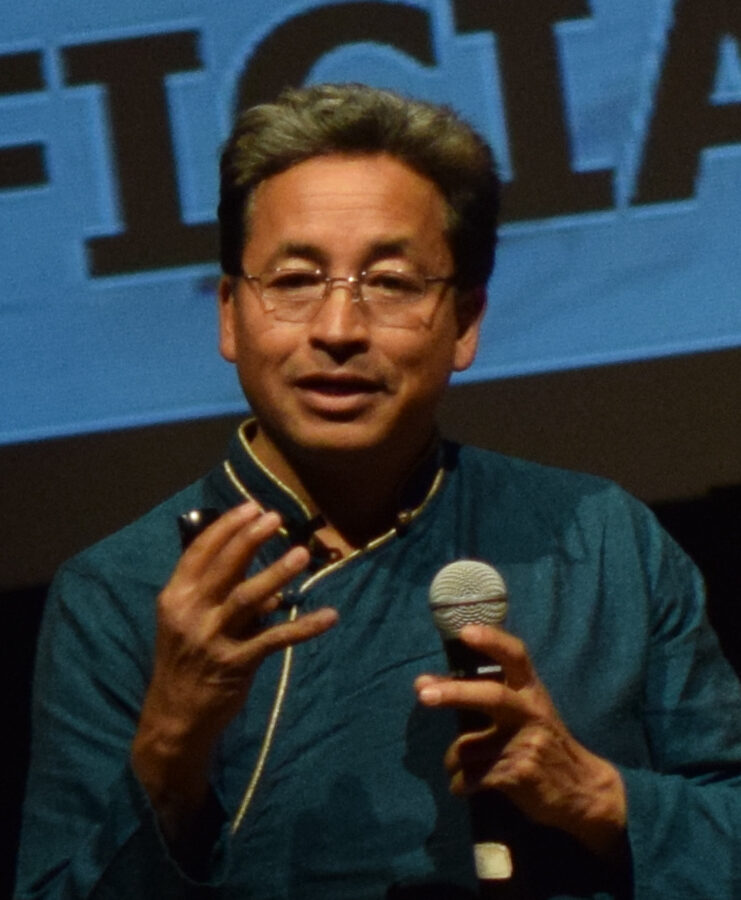
- Sonam Wangchuk, 59, ended a 26-day hunger strike demanding Education Minister Dharmendra Pradhan's resignation.
- He said he stopped after lengthy negotiations and because of the risk of violence spreading.
- The protests began over alleged leaks in India's most competitive entrance examinations.
- Protesters demand the minister's resignation, examination reform and compensation for affected families.
- Education Minister Dharmendra Pradhan resigned on 25 July and the movement called off its protests.
Indian activist Sonam Wangchuk has ended a 26-day hunger strike demanding the resignation of Education Minister Dharmendra Pradhan over a series of examination paper leaks. Two days later, on 25 July, Education Minister Dharmendra Pradhan resigned and the Cockroach Janta Party called off its nationwide demonstrations, saying the government had accepted its demands.
Why did Wangchuk end the fast?
Wangchuk, 59, announced the decision in a post on X, saying he stopped after lengthy negotiations on a set of conditions and because of the risk of violence spreading. He said he would set out those conditions separately.
He ended the fast in the presence of two federal ministers, following appeals from dozens of members of parliament.
The announcement came shortly after Prime Minister Narendra Modi released a video address saying he would introduce a tougher law to prevent examination paper leaks.
Wangchuk was forcibly moved to hospital by police earlier in the week as his condition deteriorated. He is a familiar figure in Indian public life, known for earlier hunger strikes over statehood and constitutional protections for Ladakh.
What are the protesters demanding?
The demonstrations began more than a month ago over alleged leaks in some of India’s most competitive entrance examinations, which determine access to medical and engineering places for millions of students.
Organisers have set out three demands: the education minister’s resignation, comprehensive examination reform, and compensation for the families of students who died by suicide after the leaks.
The movement is spearheaded by the Cockroach Janta Party, a satirical group whose founder, Abhijeet Dipke, said supporters would not let Wangchuk’s sacrifice go to waste.
Since starting, the protests have widened well beyond examinations to take in unemployment, government accountability and economic opportunity, drawing professionals, families and activists to demonstrations in New Delhi and cities across the country.
How has the government responded?
After separate talks with two ministers, organisers said the government had asked until Saturday afternoon to respond to their demands. Government minister J.P. Nadda confirmed the two sides would meet again.
The state response has been contested. Police used tear gas and batons to disperse marchers attempting to reach Parliament earlier in the week, and thousands joined subsequent demonstrations in response. Organisers called for nationwide protests in solidarity with students injured during that march.
Modi’s pledge of tougher anti-leak legislation is the government’s most substantial concession so far, though it falls short of the resignation protesters are demanding.
Why does this matter politically?
The demonstrations represent one of the most sustained waves of public dissent against Modi’s government in recent years.
Their durability rests on the breadth of grievance rather than a single issue. Examination integrity connects directly to employment prospects in a country where competitive tests function as the main route into secure professional careers, which is why the movement has drawn support well beyond students.
That question was settled two days after Wangchuk ended his fast. Pradhan resigned on 25 July, and the movement stood down the same day.
Related coverage
Sources for this report

The Redline News Desk
The Redline News desk files and edits world reporting. Every story carries the sources it was built from, and corrections are published on the story itself.
Leave a Reply