
What you need to know
- Kommersant reports 130 of 673 aircraft grounded across 11 Russian airlines, roughly double the normal summer rate.
- Excluding the Aeroflot group, the grounded share across remaining carriers rises to about a third.
- Ukrainian intelligence says Rostec plans to merge Red Wings, SkyGates, medical aviation and a leasing firm.
- Rostec has not confirmed the plan and the assessment is not independently verified.
- Russian carriers still offered more than 122 million scheduled seats last year, roughly matching 2021.
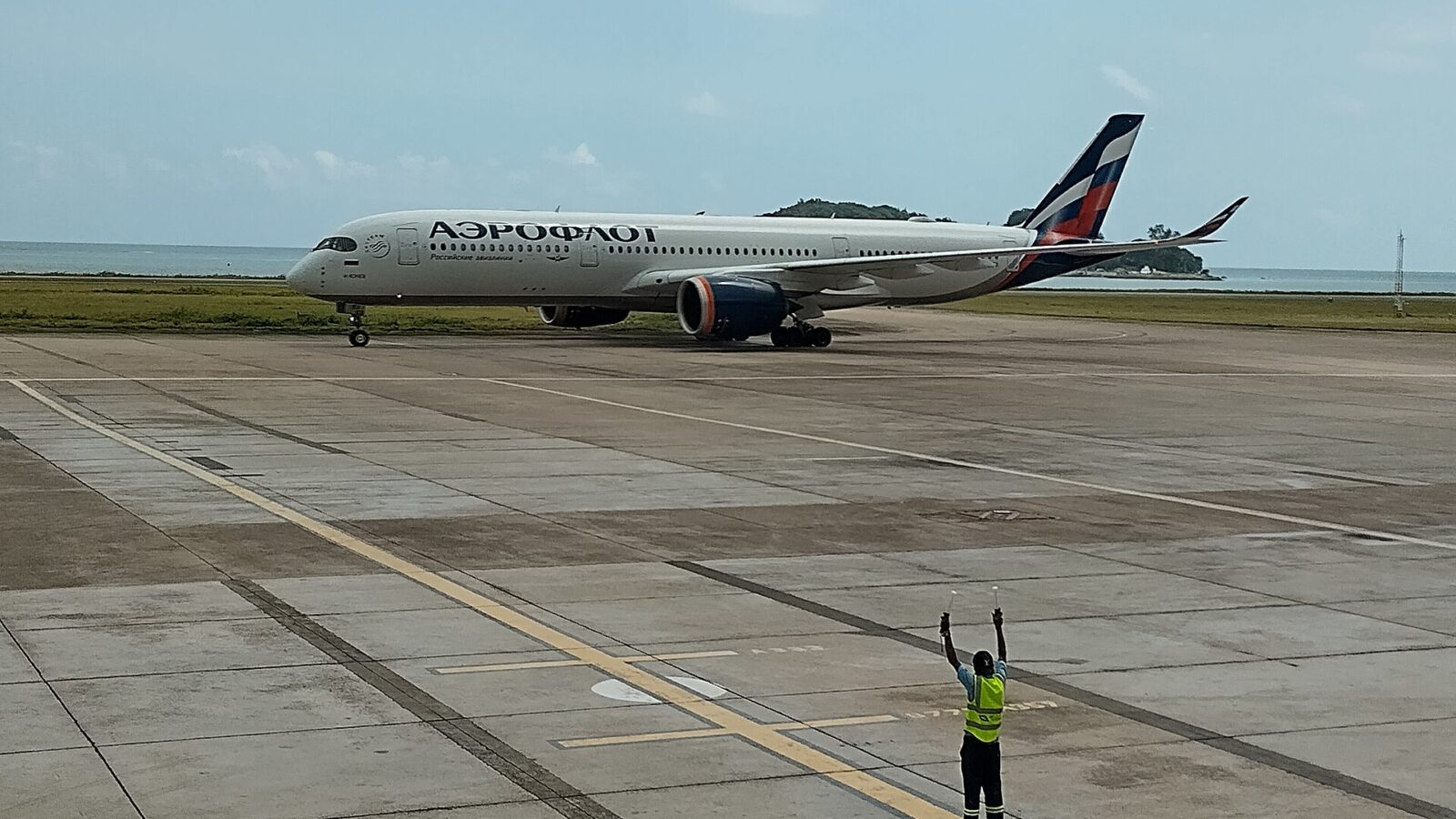
Roughly a fifth of the aircraft operated by Russia’s major airlines are sitting on the ground awaiting maintenance, according to figures reported by the Russian business daily Kommersant, as sanctions continue to restrict access to Western parts. Ukrainian intelligence says state conglomerate Rostec is now preparing to merge several aviation companies in response.
How many aircraft are grounded?
Kommersant reported that across 11 Russian airlines, which together account for more than 90 per cent of the country’s air travel, 130 of 673 aircraft were out of service, with maintenance requirements the principal cause.
Industry sources told the paper that around 10 per cent of a fleet awaiting repair is normal during summer. The current figure is roughly double that.
The state-owned Aeroflot group performs considerably better than the rest. Aeroflot itself had about 4 per cent of its fleet grounded and Pobeda was operating its entire fleet, while Rossiya stood at 22 per cent. Strip the Aeroflot group out of the sample and the grounded share across the remaining carriers rises to about a third.
What is the merger plan?
Ukraine’s Foreign Intelligence Service said in an assessment released on 26 July that Rostec intends to consolidate the passenger carrier Red Wings, the cargo operator SkyGates, medical aviation services and the leasing company Aviakapital-Service under Ilyushin Finance Co.
The agency, which is a party to the war and whose assessments should be read accordingly, characterised the plan as a reorganisation that redistributes money, staff and components without adding aircraft, engines or trained personnel. It said no restructuring would restore Western component supplies or speed up domestic production.
Rostec has not publicly confirmed the plan, and the assessment has not been independently verified.
How well has the sector coped overall?
Better than most early forecasts suggested. Russian carriers offered more than 122 million scheduled seats last year, roughly matching 2021, and Aeroflot posted its highest revenue since at least 2000 at 902.3 billion roubles, around 11 billion dollars.
An aviation consultant in Vilnius, Oleksandr Laneckij, has argued that predictions of fleets being grounded within months of sanctions rested on a flawed reading of the situation.
Supply has continued through third countries. A Bloomberg investigation identified at least 30 companies exporting aircraft-specific parts to Russia in a single year, and customs data shows China shipped at least 961 million dollars of aircraft parts between March 2022 and February 2026, more than quadruple the comparable pre-invasion period.
What is the longer-term problem?
Substitution has not kept pace. Russian airlines are meant to replace Western fleets with domestically built aircraft, but production has run well behind schedule, forcing carriers to trim networks.
Aeroflot committed 1.1 billion dollars in insurance settlements to take ownership of the last 36 aircraft still held by foreign lessors, resolving the legal position without solving the maintenance one.
The constraint is now less about airframes than about what keeps them flying: certified engines, spare parts, software updates and the engineers to fit them. Those are the inputs a corporate reshuffle cannot manufacture.
Related coverage
Sources for this report

The Redline News Desk
The Redline News desk files and edits world reporting. Every story carries the sources it was built from, and corrections are published on the story itself.
Leave a Reply