
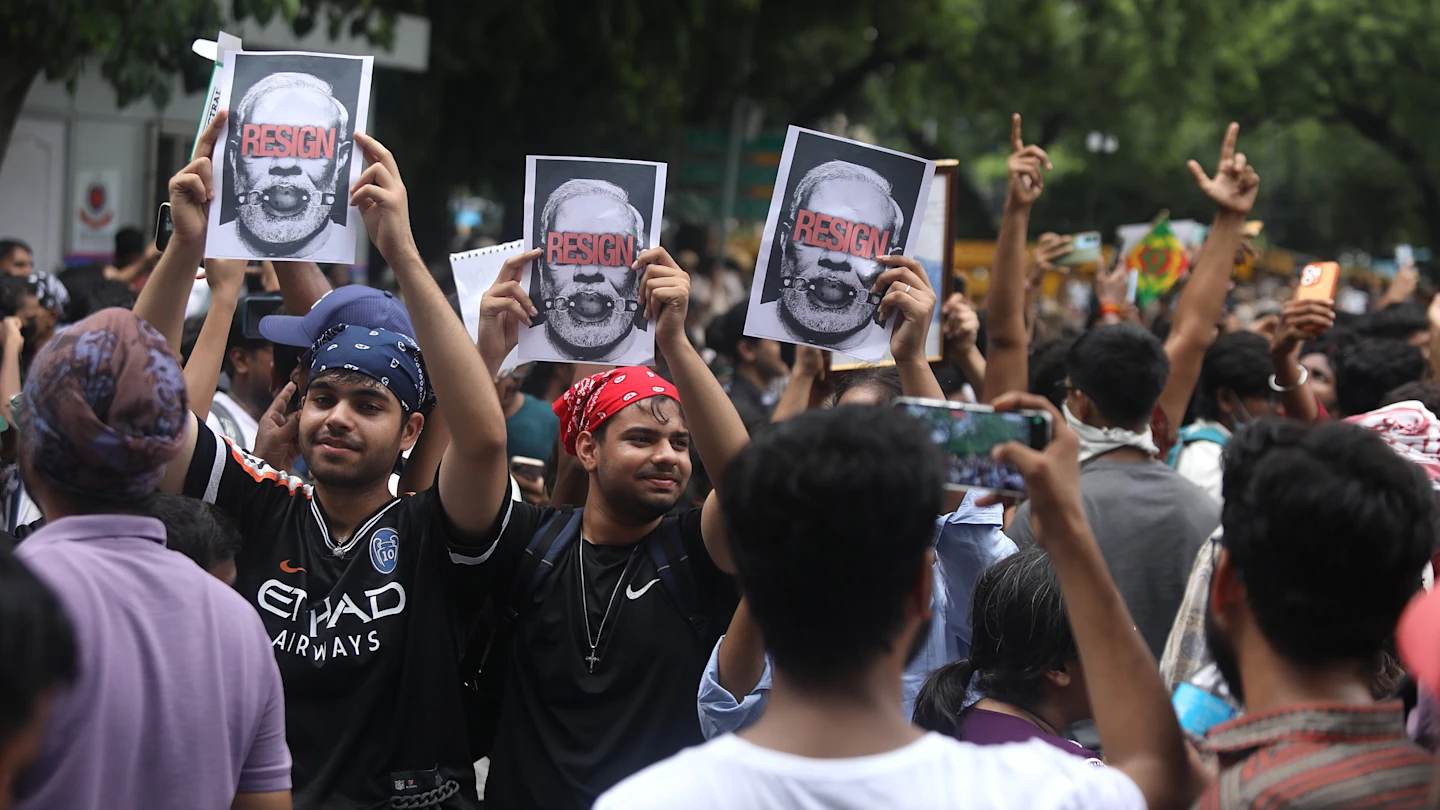
India’s latest student uprising did not begin in a party office. It began with something far more personal: the fear that years of study, family sacrifice and hard-earned ambition could be destroyed by a compromised examination system.
The immediate trigger was the leak of a national medical entrance examination paper, which forced roughly two million candidates to sit the test again. Yet the anger ran deeper than one examination. Repeated paper leaks, delayed recruitment, uncertain job prospects and a growing belief that merit was being punished had already created frustration among young Indians. The Cockroach Janta Party, initially an online satirical movement, gave that frustration a language that was humorous, sharp and difficult for traditional politics to control.
Importantly, many of these young people were dissatisfied with both the government and the established opposition. Reuters reported that the movement’s founder initially described supporters as disillusioned with all major political parties. That independence was one of its greatest strengths. Students were not asking for a change of government; they were asking for fair examinations, accountability and a system they could trust.
The government’s early response allowed the agitation to grow. Delayed communication created the impression that those in power did not understand the seriousness of the students’ concerns. When a large march in Delhi was met with tear gas and batons, the argument shifted from examination reform to the right to protest. Human Rights Watch called for an impartial investigation, while the police said sections of the crowd had behaved violently. Either way, the confrontation produced powerful images and widened public sympathy.
That was the moment opposition parties recognised a political opening. Congress leaders joined demonstrations, organised a sit-in outside the Prime Minister’s residence and demanded the education minister’s resignation. Opposition MPs then disrupted Parliament, forcing repeated suspensions. Their participation gave students visibility, legal support and national reach. In a democracy, opposition parties have every right to question the government and stand with citizens.
However, support is not the same as ownership.
As party leaders moved to the front, the protest’s language gradually changed. A campaign about examination integrity became a broader confrontation with Prime Minister Narendra Modi and the BJP. Calls for technical reform were increasingly surrounded by demands for apologies, ministerial resignations and political accountability far beyond the original paper leak. The ruling party responded with counter-protests, and what began as a student movement was pulled into the familiar government-versus-opposition contest.
This is where the charge of “hijacking” gains some credibility—not as proof of a secret takeover, but as a description of agenda displacement. Opposition parties saw an opportunity to connect with young voters ahead of important state elections. Television debates also preferred partisan conflict to the less dramatic work of examining security, testing procedures, recruitment calendars and institutional responsibility. The students’ practical demands became background noise while politicians competed to control the story.
Yet it would be unfair to blame only the opposition. The government’s slow engagement and forceful policing created the space that political parties entered. Nor were the students simply passive instruments; protest leaders actively sought support after the Delhi confrontation and welcomed help while insisting that their movement was not electoral.
The agitation ultimately secured major concessions. Education Minister Dharmendra Pradhan resigned, the government accepted the principal demands, and protest organisers called off the demonstrations. Prime Minister Modi later announced an examination reform task force, followed by proposed tougher legal penalties for paper leaks. These outcomes show that the original movement achieved something real.
The danger now is that political parties may continue using its emotional energy after its central purpose has been met. If the discussion remains fixed on defeating Modi or discrediting the opposition, the hard work of reform will be forgotten.
India’s students raised a clear question: can an ordinary young person trust the system to reward honest effort? That question belongs neither to the BJP nor to Congress. The best way to respect the movement is to publish reform timelines, audit examination bodies, prosecute organised cheating networks and keep students involved in oversight. Their anxiety should not become campaign material. It should become policy with measurable, lasting results.

The Redline News Desk
The Redline News desk files and edits world reporting. Every story carries the sources it was built from, and corrections are published on the story itself.
Leave a Reply