
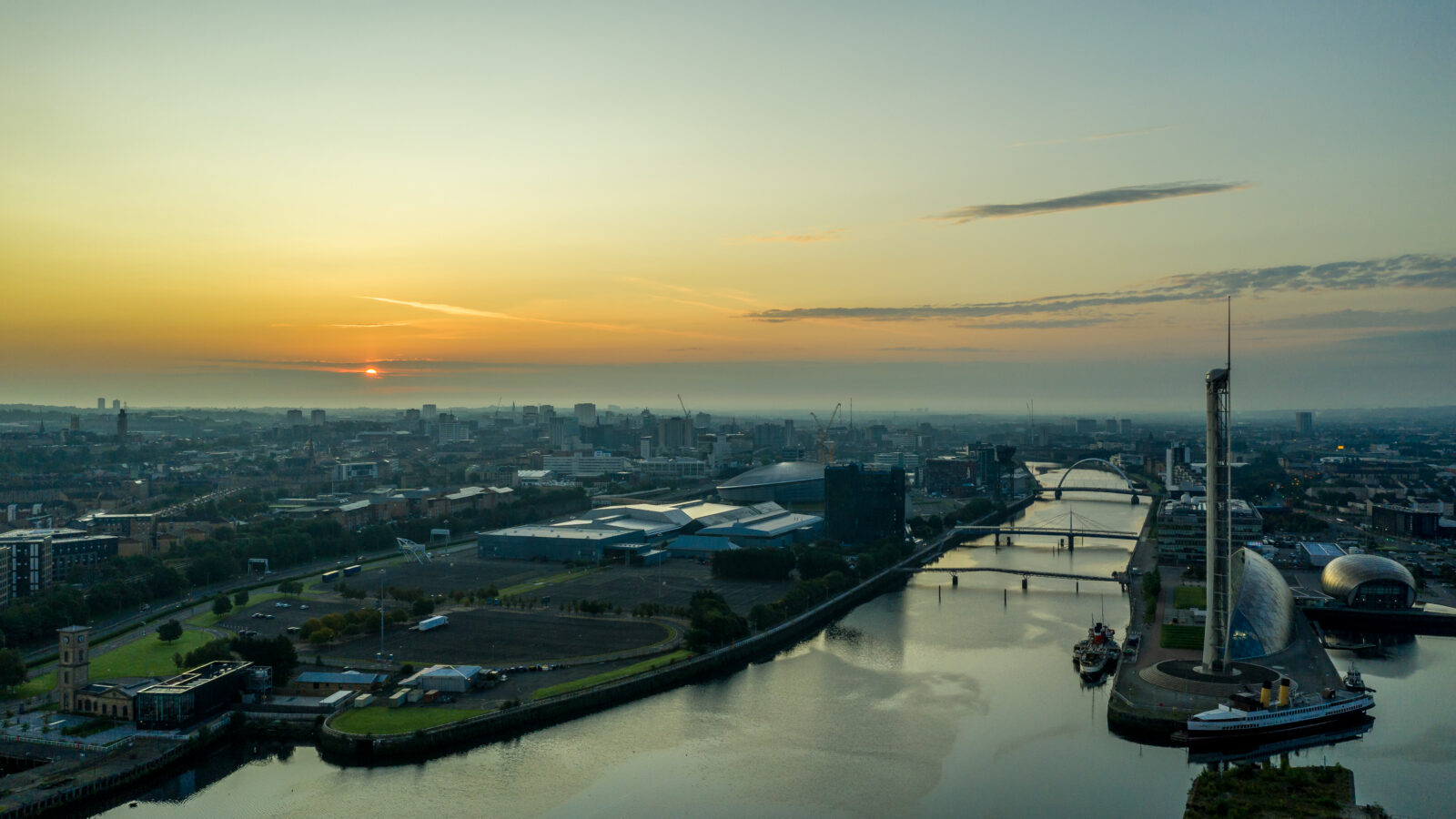
India finished fourth in the medal standings at the 2026 Commonwealth Games in Glasgow with 39 medals, comprising 13 gold, 17 silver and nine bronze, as the Games closed on Sunday.
The total was down from the 61 medals won at Birmingham in 2022, though 30 of those came in sports excluded from the reduced Glasgow programme, among them wrestling, badminton, table tennis, hockey and shooting.
How did India place against the host nation?
India and hosts Scotland finished level on gold medals and on total medals. India took fourth place on the silver medal count.
| Measure | Glasgow 2026 | Birmingham 2022 |
|---|---|---|
| Gold | 13 | 22 |
| Total medals | 39 | 61 |
| Standings position | 4th | 4th |
How did India perform at the 2026 Commonwealth Games?
India finished fourth at the 2026 Commonwealth Games in Glasgow with 39 medals: 13 gold, 17 silver and nine bronze. The Games ran from 23 July to 2 August 2026 on a reduced programme of 10 sports, which excluded several disciplines in which India has historically won heavily, including wrestling, badminton, table tennis, hockey and shooting. Boxing led the campaign with a record 10 medals and seven golds, the most won by any nation in the sport at a single Commonwealth Games. India also recorded its most successful para campaign at the Games, taking seven medals, which matched its combined para total from all previous editions. Eight of India’s 13 gold medals were won by women. India competed with a contingent of around 122 athletes and has now won 564 Commonwealth Games medals in total.
Which sports delivered?
Boxing was the standout. Indian boxers took 10 medals, the most in a single edition, including seven golds — the highest number won by any nation in the sport at one Games. Preeti Pawar, Jaismine Lamboria, Sakshi Chaudhary, Priya Ghanghas, Arundhati Choudhary, Sachin Siwach and Ankush Panghal all won their categories. Olympic medallist Lovlina Borgohain took silver at 75kg.
In athletics, Neeraj Chopra took silver in the men’s javelin and Tejaswin Shankar bronze in the decathlon. Yamini Maurya won silver in the 57kg judo category.
What changed in the para programme?
India recorded seven para medals in Glasgow, matching its combined total from every previous edition. Six came in para athletics, ending a twenty-year wait for an Indian podium in the discipline at the Games. The contingent produced three double podium finishes, in the men’s 100m T47 and the men’s and women’s shot put F57.
India has competed at the Commonwealth Games since 1934 and has won 564 medals in total, the fourth-highest of any nation. Its best edition remains New Delhi in 2010, which produced 101 medals.
What does the reduced programme mean for India?
India sent a contingent of about 122 athletes to Glasgow, competing across eight able-bodied sports and five integrated para events. That is well below the 215-strong squad it fielded when Glasgow last hosted the Games in 2014.
The absence of shooting and wrestling in particular reshaped the tally. Shooting accounted for a large share of the record 101 medals India won in New Delhi in 2010. Organisers have presented the smaller format as a way to lower hosting costs and widen the pool of potential bidders, but it narrows the range of events in which India has historically been strongest.
Pistol shooter Jaspal Rana remains India’s most decorated Commonwealth Games athlete, with 15 medals across his career.
Related coverage
Sources for this report

The Redline News Desk
The Redline News desk files and edits world reporting. Every story carries the sources it was built from, and corrections are published on the story itself.
Leave a Reply