
What you need to know
- A South African couple documented around 300 humpback whales in a supergroup off the west coast last December.
- Southern hemisphere humpback numbers have risen from under 10,000 to more than 100,000 since commercial whaling peaked.
- The international moratorium on commercial whaling took effect in 1986.
- Ship strikes are an increasing risk, and most whales killed by vessels sink, leaving no reliable statistics.
- Vessels avoiding the Red Sea and Strait of Hormuz are rerouting around the Cape, raising traffic.
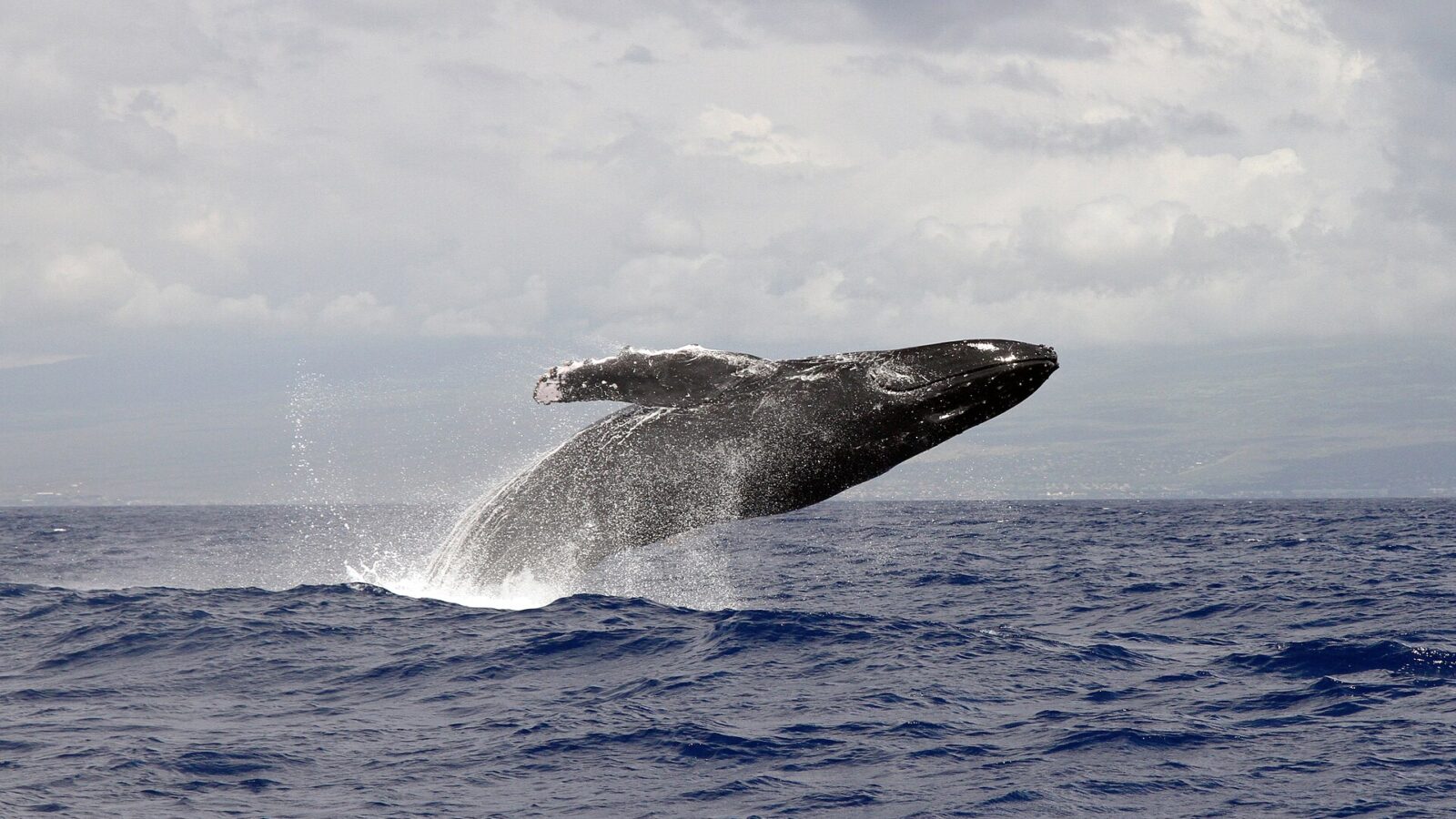
A South African couple documented roughly 300 humpback whales gathering off the country’s west coast in what scientists call a supergroup, a formation that has reappeared as southern hemisphere populations recover from commercial whaling. Researchers say the recovery is now colliding with a rise in shipping traffic driven partly by vessels avoiding the Middle East.
What is a supergroup?
Humpbacks are usually solitary or travel in small pods. In waters unusually rich in food they sometimes mass together to feed on krill and small fish, and the sounds they make while doing so draw still more whales in.
Chris and Monique Fallows encountered one such gathering on a morning last December. Chris Fallows, a wildlife photographer who has documented marine animals for 35 years, described the sight as extraordinary.
Els Vermeulen, chief scientist at the University of Pretoria’s Whale Unit, said supergroups began to be observed again around 2012 and that their return is most likely a consequence of population recovery.
How far have numbers recovered?
Substantially. Southern hemisphere humpback numbers have risen from fewer than 10,000 at the height of whaling to more than 100,000 today, according to assessments by scientists and the International Whaling Commission.
The turning point was the international moratorium on commercial whaling that took effect in 1986. Vermeulen describes it as among the strongest conservation successes in the marine environment. Only a few countries still hunt whales commercially, and sightings of humpbacks are increasing across other parts of the southern hemisphere as well.
The picture is not uniform. The World Wildlife Fund notes that recovery has been mixed across other whale species, and that threats including entanglement in commercial fishing gear persist.
What is the new risk?
Ship strikes. Gregg Oelofse, coastal and environmental manager for the city of Cape Town, said more whales combined with more shipping plainly increases the danger.
The scale is hard to quantify because most whales killed by vessels sink rather than wash ashore, leaving no reliable statistics. Some carcasses that do reach the coast carry visible evidence, with propeller wounds running through the body.
Traffic around the Cape has increased as vessels avoid the Red Sea and the Strait of Hormuz, where the conflict between the United States and Iran has disrupted transit and prompted operators to reroute around southern Africa. That places more hulls in the same water where the whales congregate.
What are researchers asking for?
Vermeulen and others are lobbying for official speed limits for ships near the South African coast, on the basis that slower vessels give crews more time to spot whales ahead and reduce the force of any collision.
Speed restrictions of this kind have been introduced in other jurisdictions where shipping lanes overlap with whale habitat, though they are frequently resisted by operators on cost and scheduling grounds.
The underlying tension is likely to persist. A conservation measure agreed forty years ago has worked well enough to put far more large animals back into waters that now carry far more traffic, and the two trends are pointing in opposite directions.
Related coverage
Sources for this report

The Redline News Desk
The Redline News desk files and edits world reporting. Every story carries the sources it was built from, and corrections are published on the story itself.
Leave a Reply