
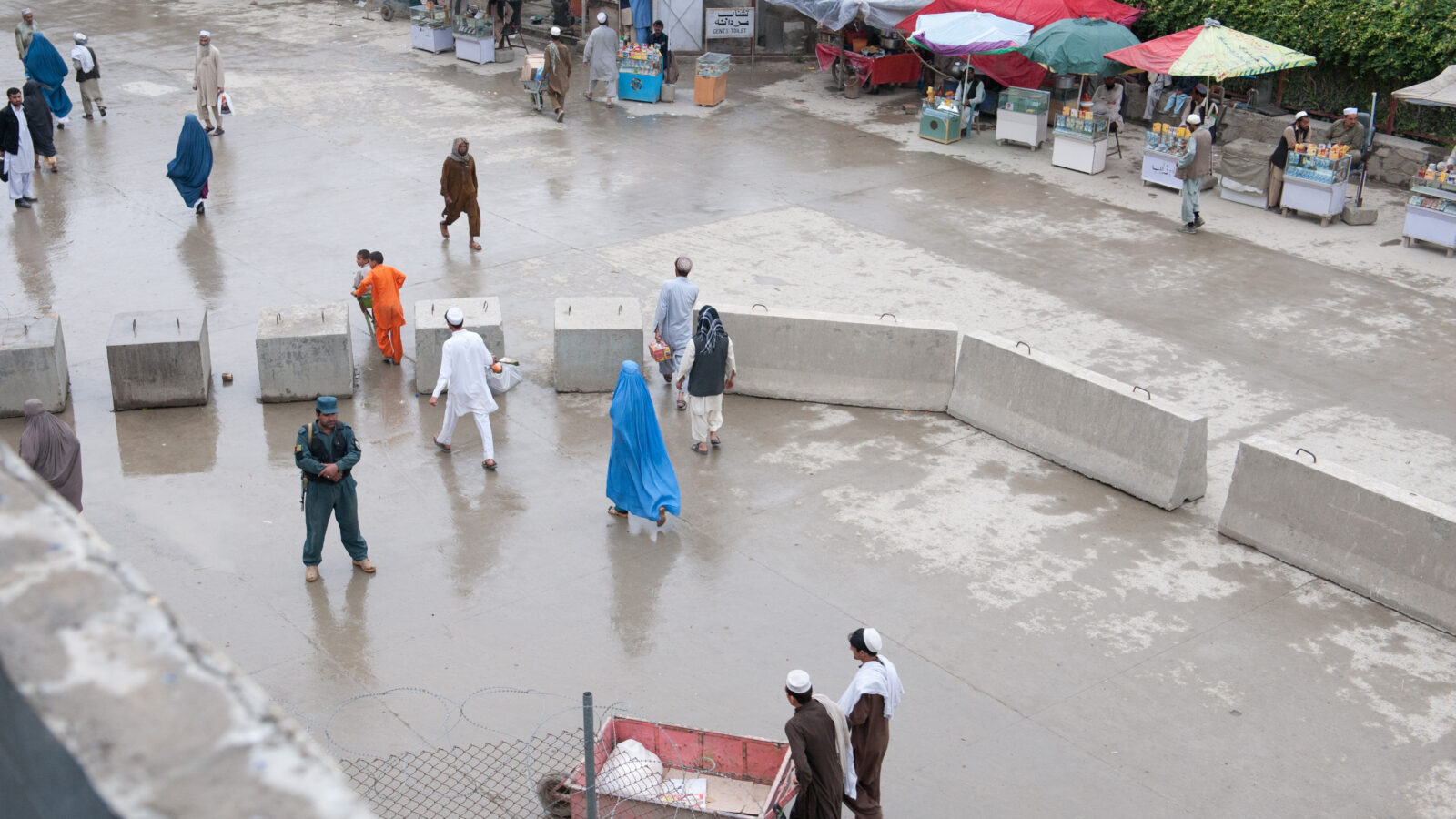
More than 17 million people in Afghanistan, about 40 per cent of the population, are projected to face acute food insecurity this year, as reductions in donor funding force aid agencies to cut programmes.
The United Nations humanitarian response plan for the country remains severely underfunded, and more than 400 health facilities closed during 2025 for lack of money.
What has driven the collapse?
Three pressures have arrived together: the funding cuts, the forced return of large numbers of Afghans from Iran and Pakistan, and prolonged drought. Around 21.9 million people, some 45 per cent of the population, are projected to need humanitarian assistance during 2026.
| Measure | Figure |
|---|---|
| Projected acute food insecurity | More than 17 million |
| Requiring humanitarian assistance | 21.9 million |
| Acutely malnourished children | More than 3 million |
| Health facilities closed in 2025 | More than 400 |
How severe is Afghanistan’s humanitarian crisis?
Afghanistan faces one of the world’s most severe humanitarian emergencies. More than 17 million people, approximately 40 per cent of the population, are projected to experience acute food insecurity during 2026, and around 21.9 million, some 45 per cent, are projected to require humanitarian assistance of some form. More than three million children are acutely malnourished. The crisis has been driven by sharp reductions in international donor funding, principally from the United States but also the United Kingdom and other governments, alongside the forced return of large numbers of Afghans from Iran and Pakistan and a prolonged drought. More than 400 health facilities closed during 2025 because of funding shortfalls, and the United Nations humanitarian response plan for Afghanistan remains substantially underfunded.
How do restrictions affect delivery?
Taliban rules requiring female aid workers to be accompanied by a male guardian have limited the capacity of organisations to reach women and girls, who in many households cannot be assisted by male staff.
The effect compounds: restrictions on women’s access to public spaces and services already narrowed their reach to aid and healthcare before the funding cuts arrived.
What is the health picture?
The loss of foreign assistance has damaged the healthcare system directly. Facility closures remove the treatment capacity that malnutrition most requires, so the two crises intensify one another.
Malnutrition among children under five is the most immediate consequence. More than three million are acutely malnourished, a figure that reflects both food scarcity and the reduced ability of a contracting health system to identify and treat cases before they become severe.
Related coverage
Sources for this report

The Redline News Desk
The Redline News desk files and edits world reporting. Every story carries the sources it was built from, and corrections are published on the story itself.
Leave a Reply