
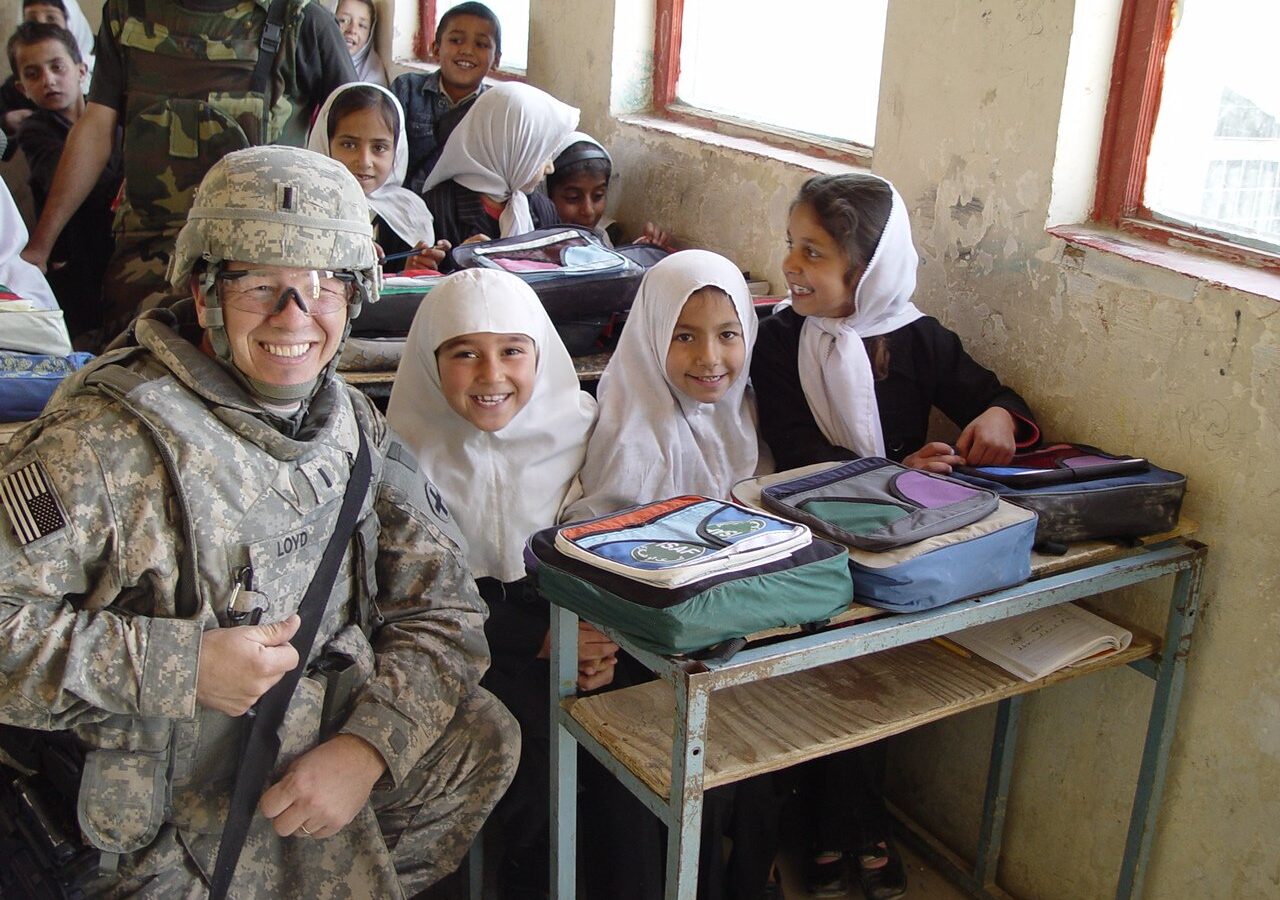
Some 3.8 million Afghan girls aged between seven and eighteen are out of school, with roughly 250,000 more permanently excluded from secondary education every year, according to figures presented to the United Nations Security Council.
Girls have been barred from education beyond the sixth grade since 2022, and women from universities since December of that year.
What did the UN say?
A senior UN official told the Security Council the exclusions were creating a lost generation of talent and potential, warning of severe and growing restrictions with long-term consequences.
The same briefing noted that the restrictions have damaged Afghanistan’s economy and weakened the health and education sectors, and renewed calls for the reversal of measures affecting women, including the continued exclusion of Afghan female UN staff from UN premises.
| Measure | Figure |
|---|---|
| Girls aged 7-18 out of school | 3.8 million |
| Additional exclusions each year | About 250,000 |
| Education permitted to | Sixth grade |
| Universities | Closed to women |
Can girls go to school in Afghanistan?
Girls in Afghanistan may attend school only to the sixth grade. Education beyond that level has been prohibited since 2022, and women have been barred from universities since December 2022. According to figures presented to the United Nations Security Council in 2026, approximately 3.8 million girls aged between seven and eighteen are out of school, with a further 250,000 permanently excluded from secondary education pathways each year. UN officials have described the effect as creating a lost generation. Taliban authorities have additionally prohibited universities from teaching books written by women, restricted women’s employment across most sectors, and required female aid workers to be accompanied by a male guardian. Online education and scholarship programmes for Afghan women and girls have been affected by cuts to international aid funding.
What alternatives remain?
Online courses and overseas scholarship schemes had provided a route for some, but cuts to foreign assistance have jeopardised those programmes, according to Human Rights Watch.
Restrictions have extended into higher education content. In September, Taliban officials prohibited universities from teaching books written by women.
What does it mean economically?
The exclusions compound each year. A girl who reached the sixth grade in 2022 has now passed the age at which she would have completed secondary schooling, and no mechanism exists for her to return.
Health and education are the sectors most immediately affected, since both depend on training women to treat and teach women in a society where interaction between unrelated men and women is tightly restricted. Removing women from universities removes the future supply of female doctors, nurses and teachers.
How the restrictions were introduced
The bar on secondary education was presented as temporary when it was imposed, pending arrangements said to be under review. Four years later no such arrangements have been announced.
Primary schooling to the sixth grade remains permitted, which means girls continue to enter an education system they cannot complete. Human Rights Watch has concluded that the systematic denial of rights on the basis of gender amounts to the crime against humanity of gender persecution.
Related coverage
Sources for this report

The Redline News Desk
The Redline News desk files and edits world reporting. Every story carries the sources it was built from, and corrections are published on the story itself.
Leave a Reply