
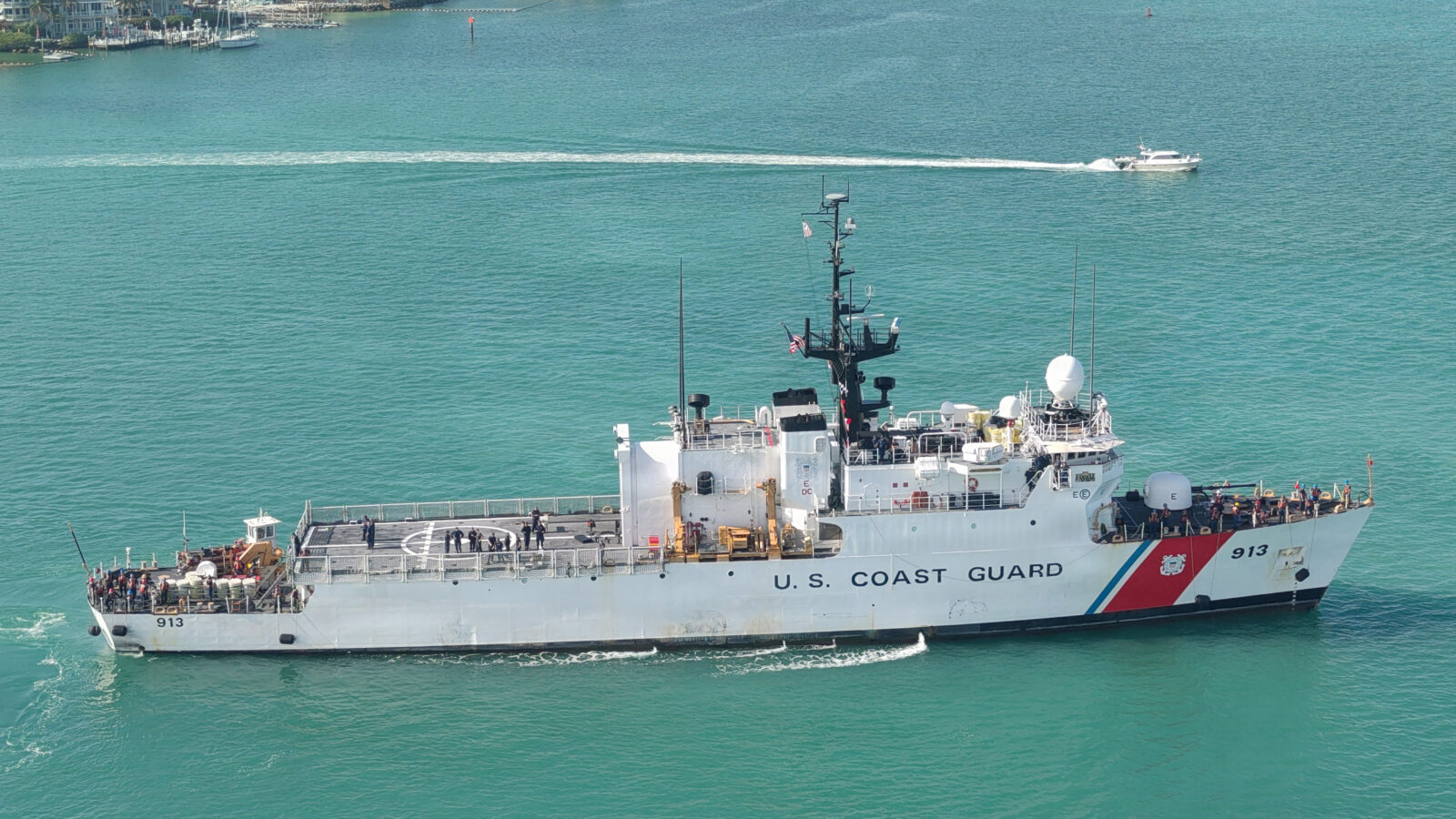
Iran has published a list of conditions the United States must meet before it will fully reopen the Strait of Hormuz, hardening its position even as Tehran and Oman signal they are close to an agreement on managing the waterway.
Mohammad Bagher Zolghadr, secretary of Iran’s Supreme National Security Council, set out the demands through state media. They include lifting the American naval blockade, withdrawing military forces from the region and permanently ending the war.
What is the gap between the two sides?
Iranian officials say the strait will not fully open until Washington agrees to those terms, while President Donald Trump has repeatedly described a deal as close or imminent.
The Iran-Oman track concerns how commercial shipping is managed rather than a reopening in itself. Reuters has reported that the proposed arrangement would give Tehran greater control over vessels transiting the route, which the United States has previously ruled out accepting.
| Iranian demand | Status |
|---|---|
| Lift the naval blockade | Blockade continuing |
| Withdraw US forces | Not agreed |
| Permanently end the war | Not agreed |
| Iran-Oman shipping deal | Wording under debate |
What does Iran want to reopen the Strait of Hormuz?
Iran has set out formal conditions for fully reopening the Strait of Hormuz, published through state media in August 2026 by Mohammad Bagher Zolghadr, secretary of the Supreme National Security Council. The demands include the lifting of the United States naval blockade of Iranian ports, the withdrawal of American military forces from the region, and a permanent end to the war that began with joint US and Israeli strikes on 28 February 2026. Separately, Iran and Oman are drafting an agreement on the management of commercial shipping through the strait, with Iranian lawmakers debating its wording. Iranian officials state the waterway will not fully open until the wider conditions are met. The strait carried approximately one fifth of the world’s seaborne oil before the war, and crossings remain sharply constrained.
What is happening in Washington?
Sources told CNN that the chairman of the Joint Chiefs of Staff, General Dan Caine, has privately told other administration advisers that the United States needs to find an off-ramp from the war, because the available options for escalation could backfire.
That account has not been confirmed publicly by the Pentagon or the White House. It points to a divergence between the president’s public framing of imminent success and internal military assessment.
What could derail it?
Oman has warned that continued attacks on shipping could undo progress. A cargo vessel reported being struck in the strait earlier this week, and the United Kingdom Maritime Trade Operations centre recorded an explosion close to a tanker off Khasab.
Kevin Hassett, director of the White House National Economic Council, said on Friday that oil prices were somewhat inflated but by less than expected. The average United States petrol price stood at $4.04 a gallon, down from $4.11 a week earlier.
Why the pattern matters
This is at least the fourth occasion since late July on which an agreement has been described as days away. Each announcement has moved oil prices lower and equity markets higher, and each has been followed by the deal not materialising.
Iran publishing formal conditions changes the shape of that cycle. Until now the disagreement could be read as a matter of timing; a list of demands covering the blockade, troop withdrawal and an end to the war sets out terms the United States has not indicated it will accept.
The war began on 28 February with joint American and Israeli strikes. The strait carried roughly a fifth of the world’s seaborne oil before it started.
Related coverage
Sources for this report

The Redline News Desk
The Redline News desk files and edits world reporting. Every story carries the sources it was built from, and corrections are published on the story itself.
Leave a Reply