
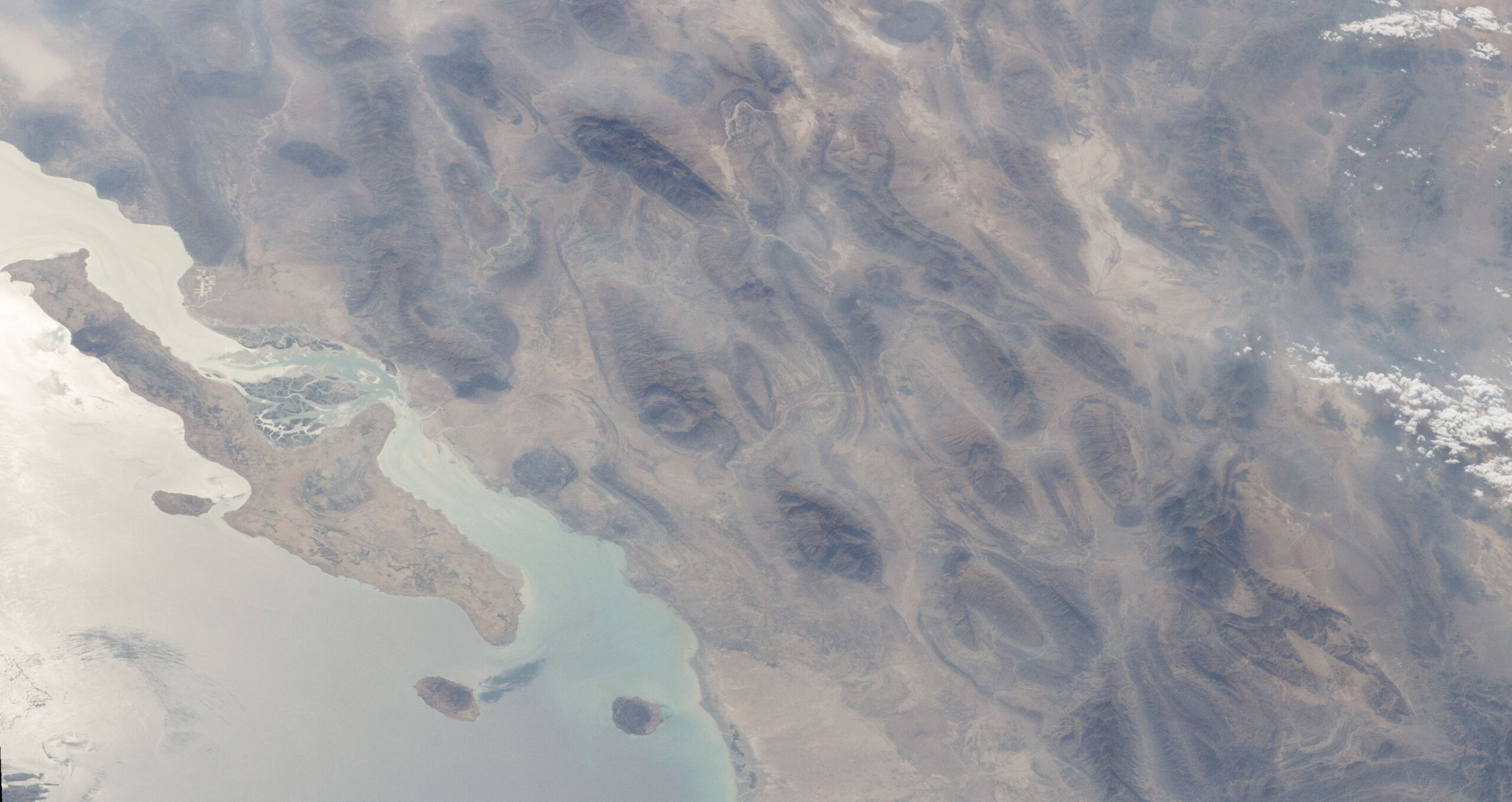
Iran and Oman are in the final stages of drafting an agreement on commercial shipping through the Strait of Hormuz, Tehran’s Foreign Ministry said on Wednesday, as senior United States officials predicted a separate deal with Washington within days.
Foreign Ministry spokesman Esmail Baghaei told a news conference that the drafting was close to complete. Reuters, citing a senior Iranian source and two regional officials, reported the proposed arrangement would give Tehran greater control over vessels using the waterway.
What are US officials saying?
Treasury Secretary Scott Bessent told CNBC that “there is a chance we may have a deal today or tomorrow”. Asked whether Iran would be permitted to charge a toll, he said the arrangement would mean freedom of movement.
Secretary of State Marco Rubio said the United States was involved in the Iran-Oman track and that progress had been made without reaching finality. President Donald Trump, speaking late on Tuesday while travelling to Las Vegas, said a deal could come on Wednesday or Thursday and repeated that Iran would be hit hard if the talks collapsed.
| Party | Position |
|---|---|
| Iran Foreign Ministry | Final stages of drafting with Oman |
| US Treasury | Deal possible within a day |
| US State Department | Progress, but no finality |
| Reuters sources | Deal would give Tehran more control |
What would an Iran-Oman Hormuz deal cover?
Iran and Oman are drafting an agreement governing how commercial shipping is handled in the Strait of Hormuz, with Iran’s Foreign Ministry stating on Wednesday 5 August 2026 that the process has reached its final stages. Reuters reported, citing a senior Iranian source and two regional officials, that the proposed terms would give Tehran greater control over vessels transiting the waterway. That runs counter to the United States position, articulated by Treasury Secretary Scott Bessent, that any arrangement should mean freedom of movement without tolls. Iran maintains it is negotiating with Oman only and not directly with Washington, a claim President Donald Trump has repeatedly disputed. The strait carried roughly a fifth of the world’s seaborne oil before the war began in February and has been effectively closed since.
Why has this failed before?
The two governments signed a memorandum of understanding on 17 June to reopen the strait. Traffic briefly recovered before the arrangement collapsed over which route vessels could use, after which Iran began attacking tankers transiting along the Omani coast.
That disagreement has not been resolved. Washington directs ships to a southern corridor and US Central Command said on Tuesday that the route remains free and open. Iran operates a separate designated corridor requiring coordination with Tehran.
Who else is involved?
Qatar’s emir, Sheikh Tamim bin Hamad Al Thani, spoke with Trump on Tuesday. Qatari officials said drafts of a possible agreement were circulating, and Doha called for freedom of navigation and consensus among regional states.
Shipping analysts remain more cautious than the Treasury. Crossings tracked by the analytics firm Kpler stayed sharply constrained through Tuesday.
Related coverage
Sources for this report

The Redline News Desk
The Redline News desk files and edits world reporting. Every story carries the sources it was built from, and corrections are published on the story itself.
Leave a Reply