
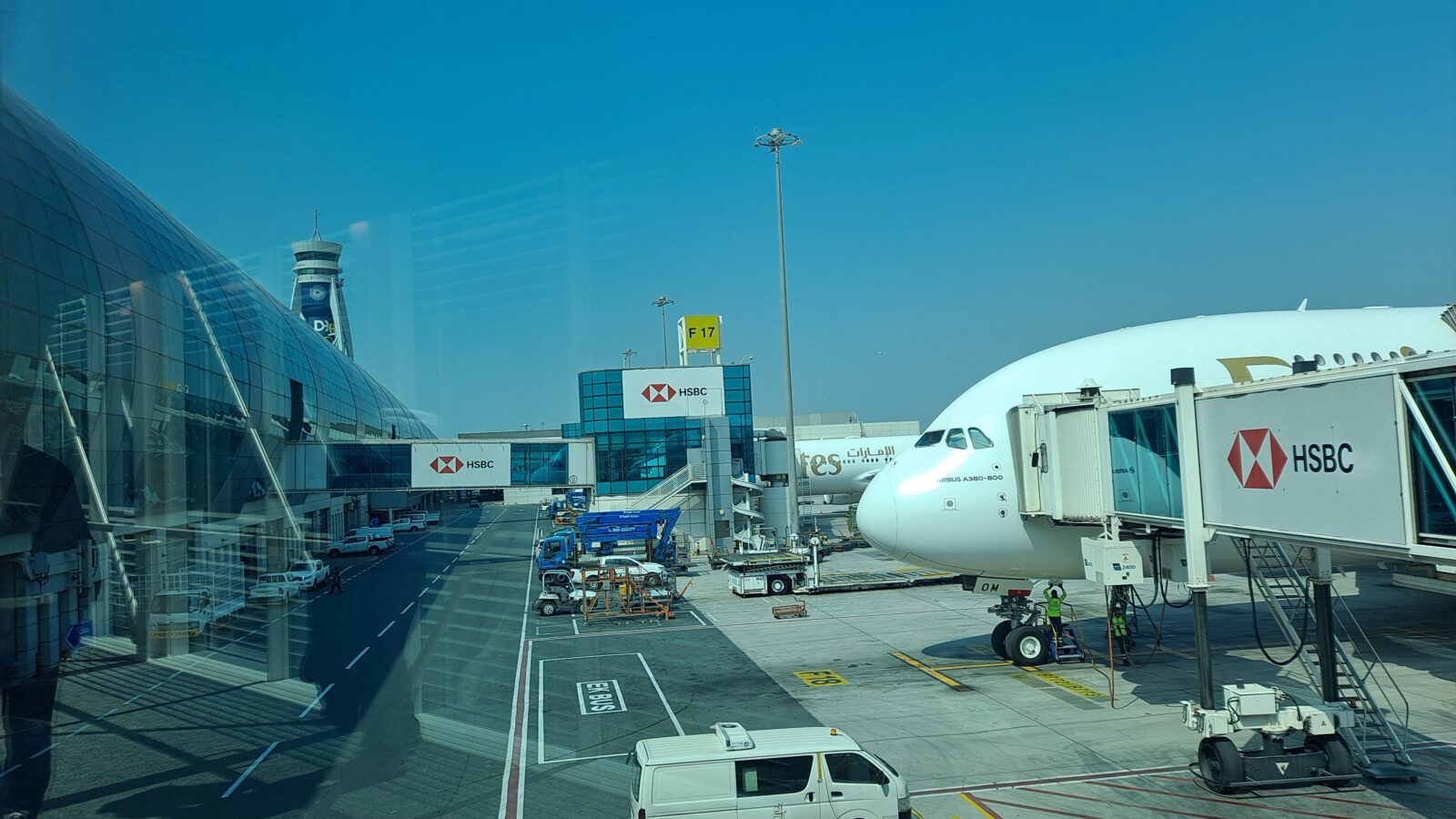
Airlines are continuing to cancel and suspend flights on Gulf routes from the United Arab Emirates as the security situation across the Middle East remains unresolved, with disruption concentrated on services to Bahrain, Kuwait and Doha.
Most departures from Dubai, Abu Dhabi and Sharjah are operating normally. The disruption is route-specific rather than a general shutdown, and varies by carrier.
Which routes are affected?
Gulf News reported that services to Bahrain, Kuwait and Doha continue to face cancellations, delays and temporary suspensions, with airlines urging passengers to arrive early and check status before travelling.
Air France has suspended flights to and from Dubai and Beirut until 18 August and to Riyadh until 14 August, offering free rebooking or refunds. Air Arabia has cancelled a number of services across its Abu Dhabi and Sharjah networks. Flydubai has continued to operate to schedule.
| Carrier or body | Status |
|---|---|
| Air France | Dubai and Beirut suspended to 18 August |
| Air Arabia | Cancellations on Abu Dhabi and Sharjah routes |
| Flydubai | Operating normally |
| EASA | Conflict bulletin extended to 31 August |
Why are UAE flights being disrupted?
Flights from the United Arab Emirates are being cancelled and suspended on selected Gulf routes because of the unresolved security situation in the Middle East, which has produced temporary airspace restrictions and risk-based rerouting across the region. Disruption is concentrated on services between UAE airports and Bahrain, Kuwait and Doha rather than affecting departures generally, and the impact varies by airline. The United States has issued a worldwide security advisory warning of possible flight cancellations, airspace closures and travel disruption across the Middle East. The European Union Aviation Safety Agency has extended its Conflict Zone Information Bulletin until 31 August 2026, and the United Kingdom Foreign Office advises travellers to monitor official updates. Several international carriers have extended suspensions to Gulf destinations while assessing conditions.
What have regulators said?
The United States has issued a worldwide security advisory warning of possible flight cancellations, airspace closures and travel disruption across the Middle East.
The European Union Aviation Safety Agency has extended its Conflict Zone Information Bulletin to 31 August. The United Kingdom Foreign Office advises travellers to monitor official updates before departure.
How does this connect to the wider situation?
Airspace restrictions have forced carriers to reroute around sensitive corridors, which lengthens flying times and requires additional fuel and crew planning. That reduces the slack in schedules, so delays cascade when aircraft are needed back at UAE hubs.
The disruption coincides with the peak summer travel season, when the three main UAE airports are already operating close to capacity and have little room to absorb schedule shocks.
Oil traded near $80 a barrel on Thursday as markets weighed the prospect of a diplomatic breakthrough between Washington and Tehran against continued uncertainty over the Strait of Hormuz.
What should travellers do?
Airlines are advising passengers to check flight status before leaving for the airport, complete online check-in where available, and allow extra time. Carriers affected by suspensions are offering rebooking or refunds.
Because the pattern is airline-specific rather than airport-wide, two passengers travelling to the same destination on the same day may face different outcomes depending on the operator.
Related coverage
Sources for this report

The Redline News Desk
The Redline News desk files and edits world reporting. Every story carries the sources it was built from, and corrections are published on the story itself.
Leave a Reply