
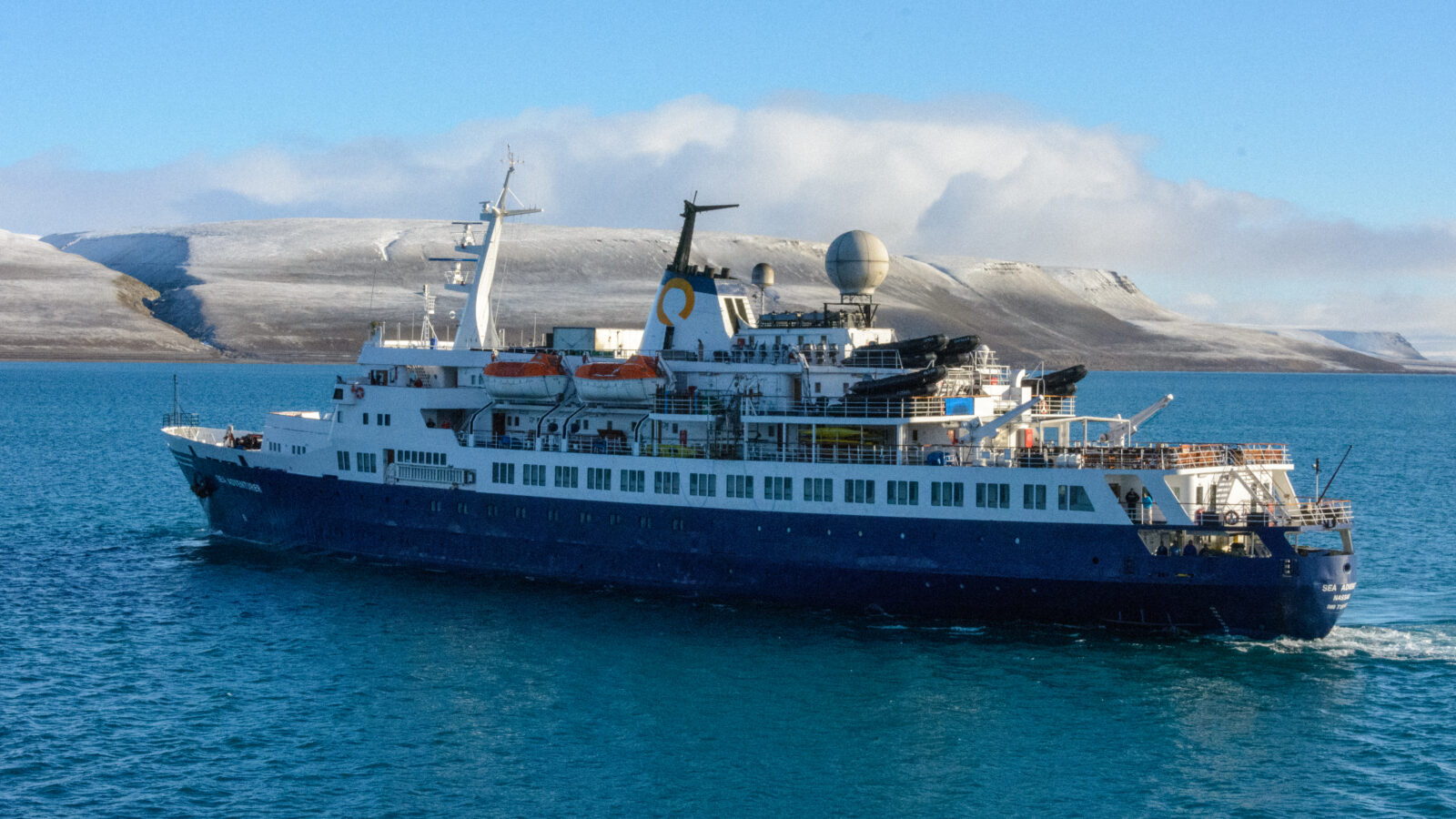
The World Health Organization has declared a global hantavirus outbreak over after the final contact of a person exposed aboard the cruise ship MV Hondius completed quarantine and tested negative.
The outbreak produced 13 cases and three deaths. More than 650 contacts were traced and monitored by health authorities across 33 countries and territories.
How was it contained?
No further cases were reported after 25 May. WHO Director-General Tedros Adhanom Ghebreyesus confirmed the closure of the outbreak in a briefing, noting the scale of the international contact-tracing effort required for a small number of infections.
The dispersal of passengers and crew across dozens of jurisdictions after disembarkation meant follow-up depended on health authorities in countries with no other connection to the outbreak.
| Measure | Figure |
|---|---|
| Confirmed cases | 13 |
| Deaths | 3 |
| Contacts traced | 650+ |
| Countries and territories involved | 33 |
| Last reported case | 25 May 2026 |
Is the hantavirus outbreak over?
The World Health Organization declared the global hantavirus outbreak associated with the cruise ship MV Hondius over in July 2026. The outbreak resulted in 13 confirmed cases, including three deaths. More than 650 contacts were identified and followed up by health authorities across 33 countries and territories, reflecting the dispersal of passengers and crew after the voyage. No cases were reported after 25 May 2026, and the outbreak was declared closed once the final traced contact completed quarantine and returned a negative test. Hantaviruses are normally carried by rodents and transmitted to people through contact with rodent urine, droppings or saliva, most often by inhaling contaminated dust. Person-to-person transmission is rare for most hantavirus species.
What is hantavirus?
Hantaviruses are a group of viruses whose natural reservoirs are rodents. People are usually infected by inhaling dust contaminated with rodent urine, droppings or saliva, rather than from other people. Most species do not transmit between humans.
That makes an outbreak spanning a passenger vessel and requiring contact tracing in 33 countries unusual, and explains why authorities pursued follow-up so widely rather than treating the cases as isolated.
What else did WHO report?
Tedros said the hantavirus, Ebola and Marburg outbreaks together showed that no country can respond alone to threats that cross borders.
At the same briefing he reported that the Ebola outbreak in the Democratic Republic of the Congo had reached 1,406 confirmed cases and 438 deaths, expanding at an average of 38 new confirmed cases a day over the preceding fortnight. That outbreak has since grown considerably.
WHO member states are continuing negotiations on the pathogen access and benefit sharing system that forms part of the Pandemic Agreement.
Why does closing an outbreak take time?
Declaring an outbreak over requires a defined period to pass without new cases, calculated from the last confirmed case and set at a multiple of the disease incubation period. Contacts must complete monitoring before that clock can be stopped.
In this instance the final contact had to be tracked through a national health authority, quarantined, tested and cleared before WHO could close the event. The process ran for several weeks after the last case was recorded.
The episode illustrates the reporting obligations set out in the International Health Regulations, under which states notify WHO of events that may constitute a public health risk crossing borders.
Related coverage
Sources for this report

The Redline News Desk
The Redline News desk files and edits world reporting. Every story carries the sources it was built from, and corrections are published on the story itself.
Leave a Reply