
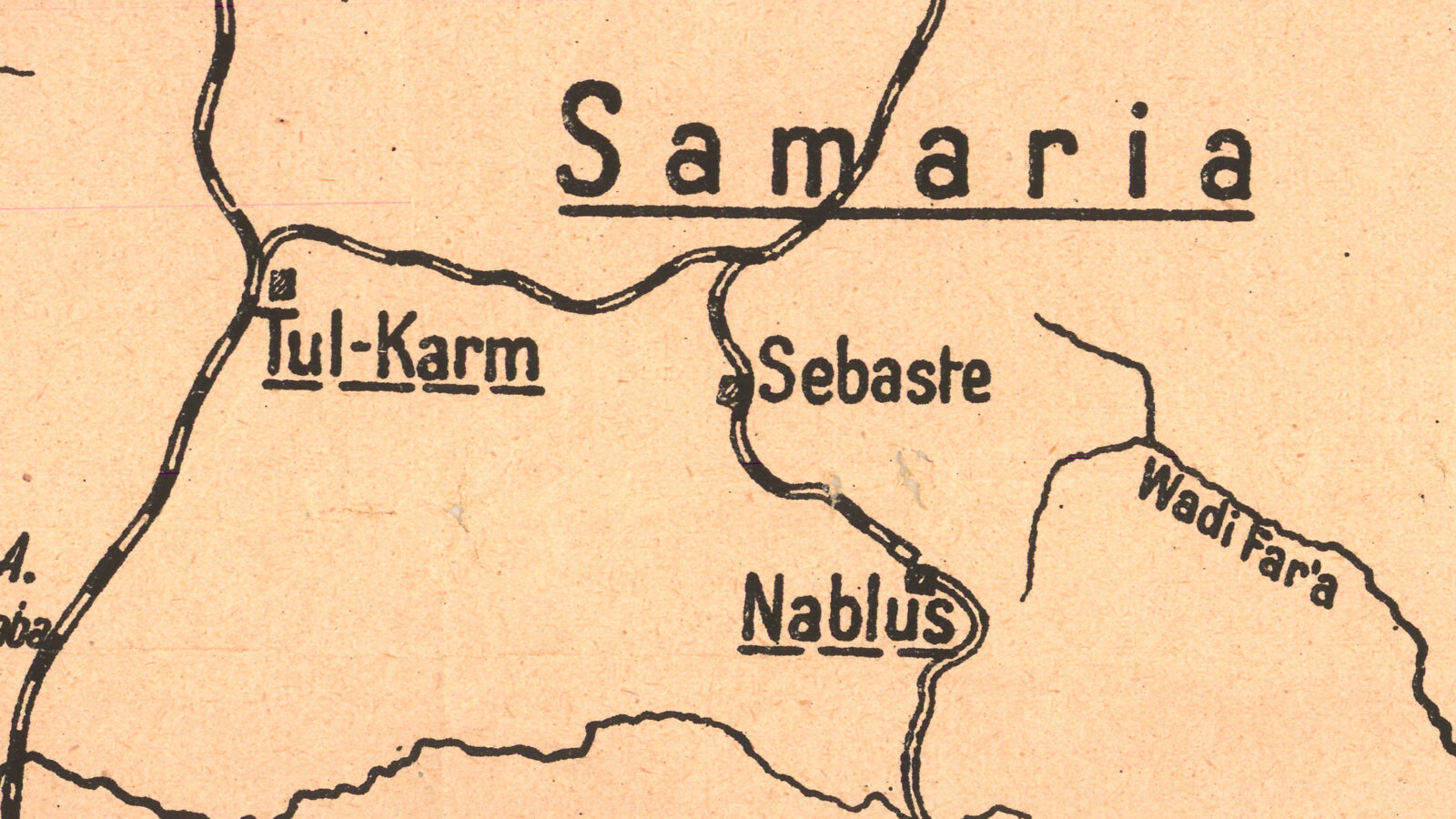
Three heritage sites in conflict zones were placed on UNESCO’s List of World Heritage in Danger at the moment of their inscription, using an emergency procedure reserved for properties under immediate threat.
They are the Boma-Badingilo Migratory Landscape in South Sudan, the Mount Amel Castles in southern Lebanon and Sebastia in the State of Palestine. All three were added at the World Heritage Committee’s 48th session in Busan, South Korea, which closed on 29 July.
What does the danger listing mean?
The designation is not a sanction. It signals that a property’s outstanding universal value is under threat from armed conflict, development pressure, natural disaster or neglect, and it triggers a monitoring process.
Which sites were added to the danger list in 2026?
At its 48th session in Busan, held from 20 to 29 July 2026, the UNESCO World Heritage Committee placed six properties on the List of World Heritage in Danger. Three were inscribed on the World Heritage List and added to the danger list simultaneously under an emergency procedure: the Boma-Badingilo Migratory Landscape in South Sudan, the Mount Amel Castles in Lebanon and Sebastia in the State of Palestine. Three sites already inscribed were also added: the Historic Inner City of Paramaribo in Suriname, the Ancient City of Tauric Chersonese and its Chora in Ukraine, and Tyre in Lebanon. The committee removed the Historic Centre of Vienna, Austria, from the danger list. Sites on the list receive technical and financial assistance and enhanced international conservation support.
What are the sites?
| Site | Country | Route to danger list |
|---|---|---|
| Boma-Badingilo Migratory Landscape | South Sudan | Emergency inscription |
| Mount Amel Castles | Lebanon | Emergency inscription |
| Sebastia | State of Palestine | Emergency inscription |
| Historic Inner City of Paramaribo | Suriname | Added to danger list |
| Tauric Chersonese and its Chora | Ukraine | Added to danger list |
| Tyre | Lebanon | Added to danger list |
The Mount Amel inscription covers five medieval castles in southern Lebanon, recognised for their historical and military significance. Lebanon now has two properties on the danger list, with the ancient coastal city of Tyre added separately.
Which site came off the list?
The committee removed the Historic Centre of Vienna from the danger list. Austria’s capital had been listed over concerns about high-rise development affecting the historic skyline.
The emergency procedure is reserved for heritage facing serious and immediate threats from conflict. Its use for three properties in a single session reflects the number of inscribed and candidate sites currently in or near active fighting.
The session inscribed 25 new properties in total, taking the World Heritage List to 1,273 sites across 173 countries.
How does the convention work?
The World Heritage Committee is one of two bodies governing the 1972 Convention for the Protection of the World Cultural and Natural Heritage. It comprises representatives of 21 states elected from the 196 states party to the convention, and meets once a year in ordinary session.
It examines new nominations, assesses the condition of sites already inscribed, and decides on additions to and removals from the danger list, working from analyses prepared by advisory bodies and the UNESCO secretariat. This session reviewed the state of conservation of 147 existing properties alongside 30 nominations.
Related coverage
Sources for this report

The Redline News Desk
The Redline News desk files and edits world reporting. Every story carries the sources it was built from, and corrections are published on the story itself.
Leave a Reply