
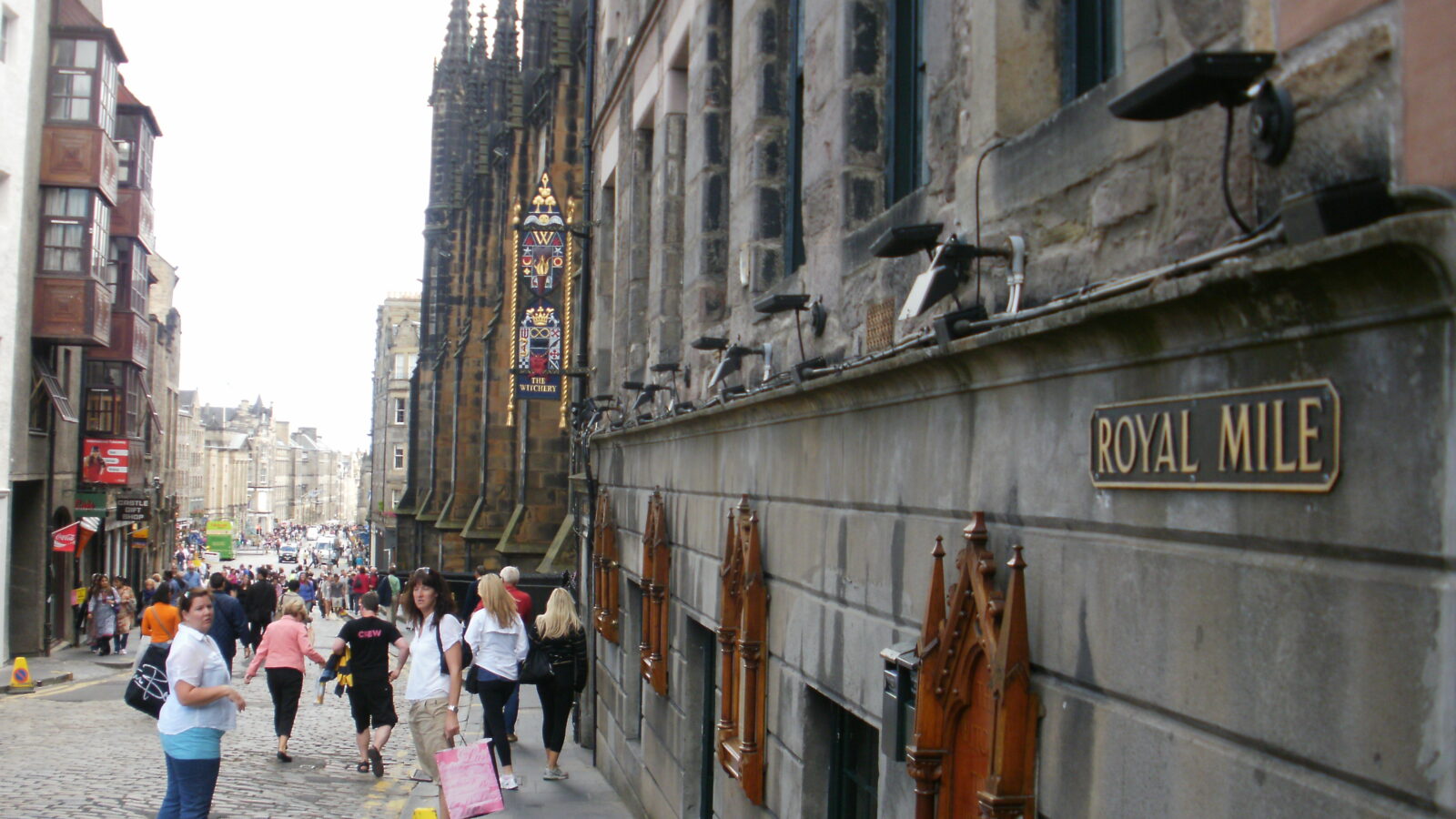
The Edinburgh Festival Fringe opens on Friday with 3,649 shows across 258 venues, a smaller programme than last year, when the festival staged 3,893 shows in 301 venues.
The 2026 edition runs from 7 to 31 August and comprises 53,884 performances by artists from 71 countries, three more nationalities than the previous edition despite the reduction in shows.
How does it compare with last year?
The sharpest fall is in venues, down 43 on 2025. The number of individual performances is almost unchanged, suggesting shorter runs have been consolidated rather than cut.
| Measure | 2026 | 2025 |
|---|---|---|
| Shows | 3,649 | 3,893 |
| Venues | 258 | 301 |
| Performances | 53,884 | 53,942 |
| Countries represented | 71 | 68 |
The 2025 festival sold more than 2.6 million tickets across 25 days.
What is the Edinburgh Festival Fringe 2026?
The Edinburgh Festival Fringe 2026 runs from 7 to 31 August in Edinburgh, Scotland, and is the world’s largest performing arts festival. This edition comprises 3,649 shows staged across 258 venues, making up 53,884 individual performances by artists from 71 countries. That is fewer shows and venues than the 2025 festival, which featured 3,893 shows across 301 venues and sold more than 2.6 million tickets. The Fringe is an open-access festival with no selection committee, meaning any performer with a venue willing to host them may take part. It began in 1947 when eight theatre companies arrived uninvited at the Edinburgh International Festival. The programme is administered by the Edinburgh Festival Fringe Society, whose chief executive is Tony Lankester.
What themes run through the programme?
The Fringe Society said prominent themes this year include artificial intelligence, cults, the manosphere, identity, social class and Y2K nostalgia, alongside work on resilience and the state of the world.
Tony Lankester, chief executive of the society, has encouraged audiences to mix established names with emerging performers rather than booking only familiar acts.
How did the festival start?
The Scotsman noted the first printed programme appeared in 1954 and a central booking service followed in 1955. The Fringe Society was formed later that decade to support the festival while playing no part in vetting its programme, a principle that still holds.
Theatre and late-night revue dominated the early years. Comedy moved to the front from the late 1980s, in part through the Perrier Award, which helped launch the careers of performers including Stephen Fry, Steve Coogan and Dylan Moran.
The festival receives strategic funding from the Scottish Government and the City of Edinburgh Council. The mental health charity Health in Mind returns this year to provide services for artists at Fringe Central.
What pressures is the festival under?
Accommodation costs have been a persistent issue for performers, many of whom fund their own runs. The Fringe Society works with Queen Margaret University, the University of Edinburgh and Theatre Digs Booker to provide affordable housing for artists during August.
Funding comes from the UK Government, the Scottish Government and the City of Edinburgh Council, with additional support from the Foyle Foundation, SP Energy Networks and Screen Scotland, which backs the Screen Fringe strand.
Because the festival is open access, its size reflects how many performers judge the costs worth bearing rather than any editorial decision by organisers.
Related coverage
Sources for this report

The Redline News Desk
The Redline News desk files and edits world reporting. Every story carries the sources it was built from, and corrections are published on the story itself.
Leave a Reply